
Why Are Pergolas So Popular?
May 6, 2026
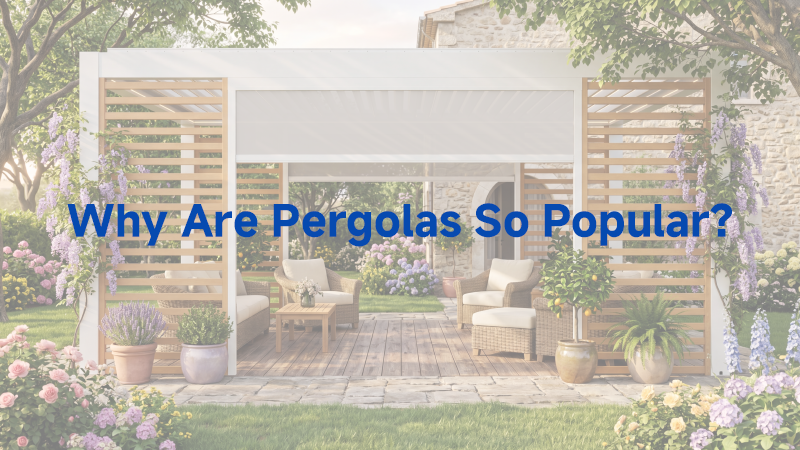
Pergolas have become a staple in both residential and commercial outdoor spaces, offering a perfect blend of style, functionality, and comfort. Whether you’re looking to create a cozy backyard retreat or a stylish outdoor dining area for your business, pergolas have proven to be a popular solution.
In this article, we’ll explore why pergolas are so popular, their growing trend, and the benefits they can offer.
1. Why Do People Want Pergolas?
Consumers: Enhancing Outdoor Spaces
Businesses: Commercial Value
From a business perspective, pergolas offer a unique opportunity to increase the commercial value of outdoor spaces. Whether it’s for restaurants, cafes, hotels, or resorts, pergolas create functional outdoor spaces that enhance customer experiences. Some reasons businesses opt for pergolas include:
- Creating Comfortable Outdoor Dining Areas: Pergolas allow businesses to set up attractive and comfortable outdoor seating areas, especially in regions with mild weather. This makes them perfect for increasing dining capacity and improving customer satisfaction.
- Boosting Property Aesthetics: Adding a pergola can instantly boost the exterior appearance of a commercial property, drawing more customers to the business. It makes the space feel more welcoming and luxurious.
- Versatility: Pergolas are suitable for a variety of commercial applications, such as outdoor bars, lounges, event spaces, and more. The versatility of pergolas makes them an ideal investment for businesses looking to expand their outdoor offerings.
2. Why Pergolas Are Trending?
Several factors have contributed to the growing popularity of pergolas in recent years.
Multifunctional Shade and Comfort
One of the key reasons why pergolas are trending is their ability to provide both shade and comfort. Unlike traditional covered structures, pergolas allow for the perfect balance between sunlight and shade. This makes them ideal for relaxing, especially during hot summer.
Defining Outdoor “Spaces”
Pergolas are perfect for defining distinct areas in your outdoor space without the need for complete enclosure. They help create cozy corners for dining, lounging, or relaxing, giving your outdoor space a more structured feel. For instance, a pergola over a hot tub or patio can transform it into a dedicated space for relaxation, making it a perfect focal point in any garden.
Low Maintenance and Stylish
Modern pergolas are made from materials like aluminum, vinyl, and fiberglass, which require little maintenance while maintaining their sleek, stylish appearance. Unlike traditional wood pergolas, which need frequent maintenance like painting or sealing, aluminum and vinyl pergolas are more durable and weather-resistant. This lower maintenance requirement makes pergolas a cost-effective option for both homeowners and businesses.
Increasing Property Value
Adding a pergola can significantly increase the value of a property. Not only do they enhance the visual appeal, but they also add functional outdoor space that increases the overall square footage. This makes pergolas a valuable investment for homeowners looking to increase their property’s resale value.
Customizable Features
Many modern pergolas come with adjustable features like retractable canopies, louvered roofs, or integrated lighting and fans. This allows owners to control the amount of sunlight or rain exposure, creating a flexible and comfortable outdoor environment. For example, Greenawn aluminum pergolas feature hidden hardware and sleek designs, providing a clean, modern look without sacrificing functionality.
DIY-Friendly
Pergolas are available in various designs, from traditional wood to modern aluminum and steel structures. Many pergolas are sold as DIY kits, making them more accessible and affordable compared to fully-built gazebos or pavilions. With easy-to-follow instructions and modular components, homeowners can quickly assemble a pergola, making it a budget-friendly way to upgrade their outdoor space.
Turning Concrete into an Oasis
Pergolas are particularly adept at transforming harsh, hot, and uncomfortable outdoor spaces, such as concrete patios or open backyards, into cool, shaded oases. They can help reduce the temperature in these areas, making them more inviting for outdoor activities. This makes pergolas a great solution for urban environments where green space is limited.
3. The Future of Pergolas in 2026 and Beyond
Looking ahead, we are optimistic that pergolas will maintain their popularity in 2026 and beyond. The international trend toward more sustainable, functional, and stylish outdoor living solutions will drive demand for high-quality pergolas that combine aesthetics with practicality.
Global Trends
The rise in demand for outdoor living spaces, combined with global factors such as fluctuating aluminum prices and transportation costs, will likely influence the future of pergolas. Manufacturers will focus on innovative designs, incorporating eco-friendly materials and cutting-edge technologies to meet the growing needs of consumers.
Lifestyle Trends
People are increasingly drawn to outdoor spaces that offer comfort, relaxation, and a connection to nature. Pergolas cater to this lifestyle trend by providing an attractive and functional way to enjoy the outdoors. As more individuals seek to bring the indoors outside, pergolas will remain a top choice for both residential and commercial spaces.
4. Start Your Outdoor Upgrade Today
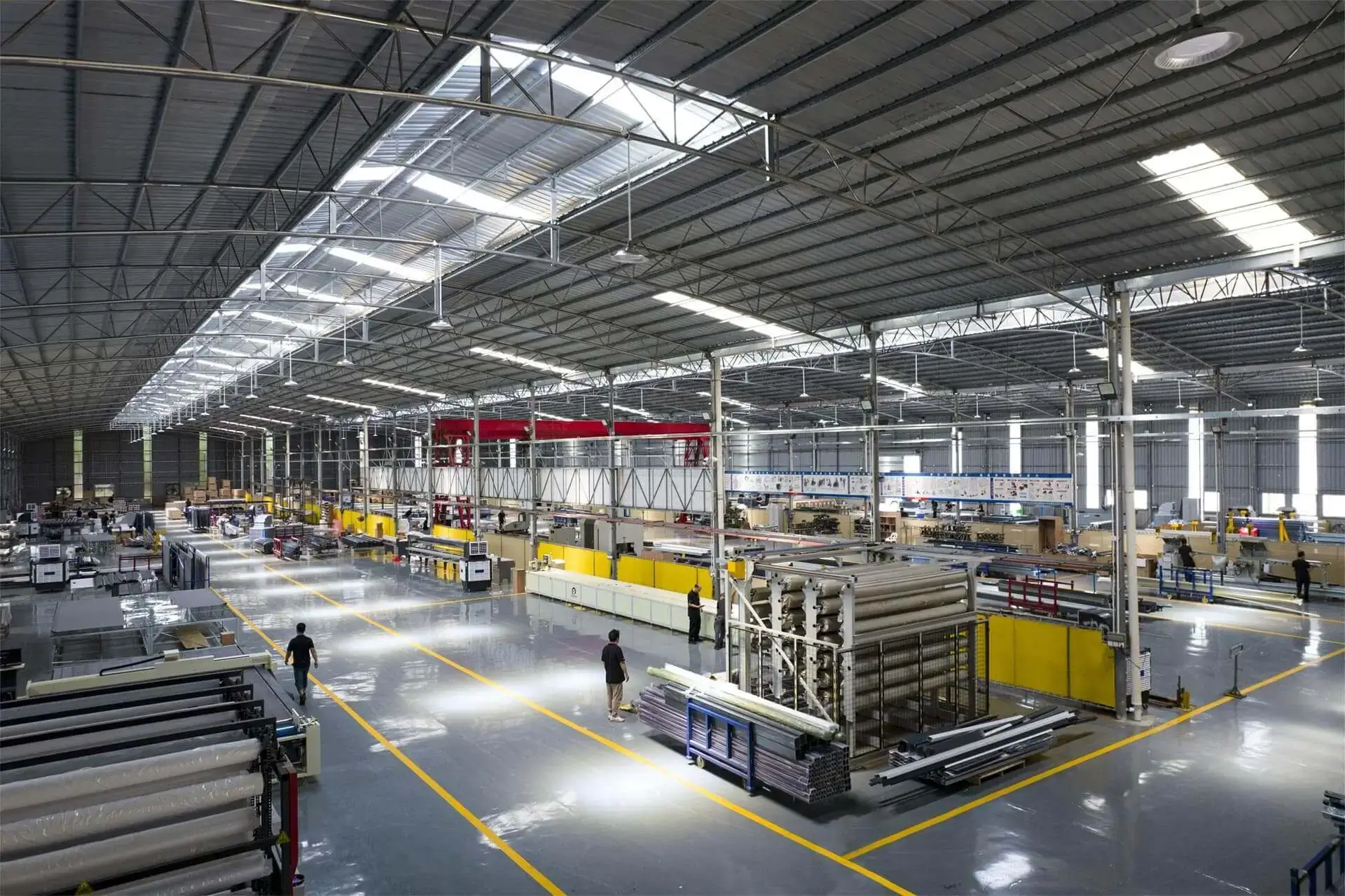
Whether you’re a contractor, business owner, or designer looking to enhance outdoor spaces, Greenawn is here to help with high-quality, customizable pergola solutions. With nearly 30 years of production experience and a 30,000 square meter factory, we are fully equipped to meet the demands of any project, no matter the size or complexity.
As a trusted OEM/ODM supplier, Greenawn specialize in designing and manufacturing durable, functional, and stylish pergolas for business-to-business clients. Whether you’re looking to supply high-end pergolas for large commercial projects, or you’re sourcing reliable, easy-to-assemble kits for distribution, we offer flexible solutions tailored to your needs.
5. Frequently Asked Questions
- What are the materials used for pergolas?
Our pergolas are made from 6063-T5 grade aluminum to build the pergola structure. - Can pergolas withstand extreme weather?
Yes, our pergolas are designed to withstand various weather conditions, including heavy rain, strong winds, and moderate snow loads. - Do pergolas add value to a property?
Yes, a well-built pergola can significantly enhance the curb appeal of your property and increase its resale value by providing additional outdoor living space. - Can I customize my pergola design?
Absolutely! We offer a wide range of customization options, including size, color, material, roof style, and more, ensuring your pergola meets your exact needs and preferences. - What is the lead time for pergola orders?
Our standard pergola models typically ship within 30 days, depending on stock availability. Custom orders may require additional time based on specific requirements.

Best Motorized Louvred Pergola Systems for Commercial Projects
blogAluminum vs Steel Pergola: Which is Better?
blogDo You Need a Pergola Permit as Installing in America?
blogTable of Contents
Do You Need a Pergola Permit as Installing in America?
For many homeowners, a pergola seems like a simple outdoor upgrade. It feels like something you can install without much planning or paperwork. But the reality is different: “Do I need a permit to build a pergola?” In most U.S. jurisdictions, the answer is yes, at least some of the time.
Although pergolas for houses may appear to be a relatively simple structure, it is still classified as a permanent or semi-permanent construction element in most jurisdictions. Local authorities typically require a pergola permit to ensure that the structure meets applicable safety, zoning, and building code requirements before installation begins.
From a regulatory perspective, a pergola introduces defined loads, dimensions, and fixed positioning, all of which can affect site planning and compliance. Its placement in relation to property boundaries, rooflines, and existing utilities must be reviewed, and even open-louver or open-roof designs require compliant foundations and structurally sound support posts. Building inspectors therefore assess pergola projects to confirm structural integrity, code adherence, and the absence of potential safety risks.
As a result, when installing a pergola, you must understand when a pergola permit is required, why it matters and how to avoid problems during or after installation.
What Determines Whether You Need a Pergola Permit?
1.Size, Height and Attachment
One of the most significant factors is the method of attachment:
A common square-footage exemption threshold is approximately 120 square feet for detached pergolas; structures that exceed this size are far more likely to require a permit irrespective of attachment.
Similarly, a height limit – often around 10 feet – is used to determine whether a simple accessory pergola remains exempt or becomes subject to formal plan review and permitting.
2.Structural Elements That Elevate Regulatory Requirements
Beyond attachment, height, and footprint, specific structural elements and functional integrations can elevate a pergola from a simple, exempt structure to one requiring permit under multiple code disciplines:
Pergola Permit Requirements Vary by Local Jurisdiction
There is no single U.S. permit rule that applies to every pergola. The International Residential Code provides a model framework, but cities and counties can adopt, modify, and enforce their own requirements. Structure size, attachment method, height, electrical work, setbacks, wind exposure, and local zoning can all affect whether a permit is required.
The examples below show how significantly local rules can differ. They are examples only, not statewide permit rules.
Source: City of Scottsdale — Sheds, Detached Garages, Pergolas, etc.
Source: City of Boulder — Residential Accessory Structure Guide.
Source: Seattle Department of Construction & Inspections — Do You Need a Permit? / Tip 312.
Source: City of Austin — IRC Local Amendments, R105.2.
Source: City of Cape Coral — Pergola Summary Sheet.
Sources: 2024 International Residential Code (ICC), City of Scottsdale, City of Boulder, Seattle Department of Construction & Inspections, City of Austin Development Services, and City of Cape Coral Development Services. Local codes and permit requirements can change, so these examples should be verified before use on a specific project.
What are the Risks of Skipping the Pergola Permit?
Failing to obtain the required building permit before installing a pergola may appear to save time or money upfront, but it exposes the property owner — and, in some cases, contractors — to substantial regulatory, financial, and legal risk.
Many U.S. municipalities enforce permitting rules rigorously because the permit process is a key tool for ensuring safety, code compliance, and orderly development.
Fines and Forced Removal
Monetary fines
Jurisdictions explicitly impose fines that can range from hundreds to tens of thousands of dollars per day for unpermitted structures until the violation is resolved. In Hawaii, unpermitted building work (which would include accessory structures like pergolas if a permit were required locally) can incur fines up to $1,000 per day until the violation is corrected, and authorities can require removal or modification of the unpermitted construction.
Demolition or corrective actions
If an unpermitted pergola does not comply with local codes, officials may require its removal or significant modification to bring it into compliance — at the owner’s expense.
For instance, a documented case involving a homeowner near Austin, Texas shows how permit avoidance can impact a project in progress. The homeowner purchased a large 16’ x 20’ motorized pergola and began installation without verifying the city permit requirement. A neighbor complaint triggered a city inspection that resulted in a Red Tag Stop-Work Order, immediate fine, and a requirement to provide engineering drawings and site plans retroactively.
Insurance Problems
Standard homeowners’ insurance policies typically require that all structures on the property comply with local building codes and have the necessary pergola permits.
Claim denial: If an unpermitted pergola is damaged by a covered peril (for example, wind, fire, or hail) or causes damage to other property, the insurer may deny the claim on the grounds that the structure was not compliant.
Insurance impacts beyond the pergola: In some cases, the presence of unpermitted work can trigger broader underwriting reviews or premium increases, as insurers reassess overall property risk based on unapproved modifications.
Resale Challenges
To try to sell the home, prospective buyers, lenders, and title companies scrutinize pergola permit histories during due diligence. Discovering an unpermitted pergola can delay or derail a sale, trigger renegotiation of price, or require retroactive permitting and inspections before closing.
HOA (Homeowners Associations) and Neighbor Disputes
In many US homeowners’ associations, the governing documents (Covenants, Conditions & Restrictions, or CC&Rs) strictly require homeowners to obtain architectural approval before constructing or altering outdoor structures. If a homeowner installs a structure without approval, the HOA can enforce the CC&Rs and require removal or modification of the structure, even if the homeowner believed it was minor
How Reliable Manufacturers Make This Easier
When contractors and dealers assess pergola projects for clients, technical specifications from reputable manufacturers are an essential resource for navigating local permitting requirements. Detailed documentation — including pergola roof material strength, installation guidelines, wind-load ratings, waterproofing performance, and drainage system schematics — helps project teams demonstrate compliance with building codes and zoning criteria during permit applications and inspections.
Greenawn is an established aluminum pergola manufacturer that provides a comprehensive set of technical specifications and support materials useful for contractors, dealers, and project planners:
Engineered Weather Resistance: Greenawn’s adjustable louvered pergola systems are constructed with high-quality aluminum designed to withstand severe weather conditions, including heavy rain and strong winds, which are often quantified in product data sheets and used in structural assessments during permit reviews.
Waterproofing and Drainage System Details: Greenawn pergolas feature integrated beam and gutter systems with advanced rubber sealing and double-layer waterproof blades that are documented in product specifications; these details help demonstrate compliance with water management and building envelope performance expectations that many permit authorities consider.
Certified Performance Metrics: Certain models come with certified wind-resistance classifications and other performance metrics, which are often required by local authorities to verify that an outdoor structure can meet code-specified loads and environmental conditions.
OEM/ODM Support and Customization: Greenawn supports tailored pergola solutions for different project scales, with technical documents and custom aluminum pergola installation guidance available for designs of varying sizes and configurations, which is particularly valuable when local codes have specific dimensional or material requirements.
Conclusion
Above all, does a pergola require a permit? Permits for pergolas in the US depend on factors such as attachment, size, height, and structural elements like foundations or roofing. Skipping required permits can lead to fines, removal orders, insurance issues, and HOA or neighbor disputes.
Reliable manufacturers, like Greenawn, provide detailed technical specifications — including load ratings, drainage design, and installation guidance — that help contractors and dealers navigate local permit requirements.
You can contact Greenawn directly to get more information about our solutions on aluminum pergola!
FAQ
Do I need a permit for a freestanding pergola? Sometimes. Small, open-roof, detached units are often exempt from a building permit, but zoning setbacks and easements still apply. Large or tall ones usually require one.
Do attached pergolas need a permit? Usually yes—they are treated as an addition to the primary structure and reviewed for loads, flashing, and code compliance.
What size pergola needs a permit? There is no universal number. Common exempt lines are ~120 sq ft (detached) and ~10–12 ft tall, but many jurisdictions differ. Always check locally.
Does an HOA permit replace a building permit? No. HOA approval and government permits are separate processes; you often need both.
Do I need a permit if I add lights or a fan later? Adding electrical or mechanical systems typically triggers a separate permit—often retroactively if done after the fact. Include utilities in the original plan.
How much does a pergola permit cost? Application fees vary by jurisdiction (often tens to a few hundred dollars, plus trade permits and any plan-review or engineering costs). Skipping it can cost far more in fines or removal.
Who is responsible for the permit—me or my contractor? If you DIY, the responsibility is yours. If you hire a contractor, many handle submittals—confirm in writing who pulls the permit.
You may also interested in...
Louvered Pergola vs Fixed Roof: Which Is Better?
Can a Pergola Be Moved? A Complete Relocation Guide
Best Pergola Material: Vinyl, Wood, or Aluminum?
Pergola Vs. Trellis: What’s The Difference? | Greenawn
Best Roofing Options for Outdoor Kitchen Pergolas: Solid Roof vs Adjustable Louvers
Pergola vs. Gazebo: Which Shade Structure Is Right for Your Outdoor Kitchen?
OEM/ODM Solutions to Elevate Your Outdoor Brand Value
Ready to take your outdoor product line to the next level? Contact Greenawn. Let us help you elevate your brand with our bespoke solutions tailored for the outdoor industry.
Phone
+86 13622239259
Email
sale2@greenawn.com.cn, sale15@greenawn.com.cn
Find us Here
Building A, No. 13 Bangyan Road, Dalong Street, Panyu District, Guangzhou