
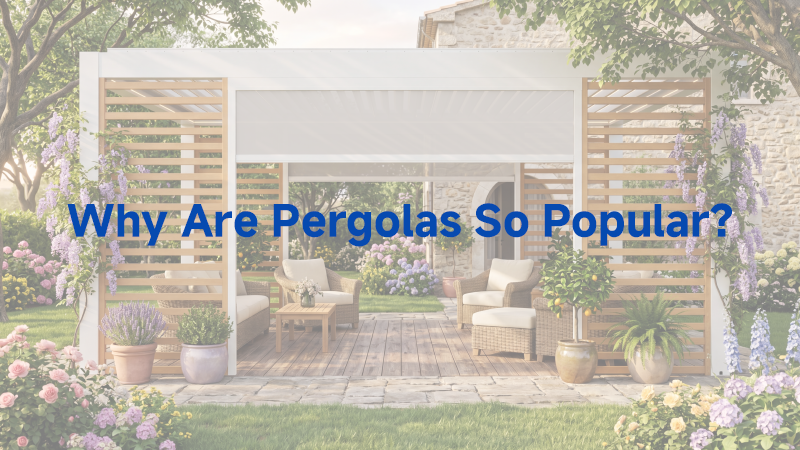
Why Are Pergolas So Popular?
May 6, 2026
Pergolas have become a staple in both residential and commercial outdoor spaces, offering a perfect blend of style, functionality, and comfort. Whether you’re looking to create a cozy backyard retreat or a stylish outdoor dining area for your business, pergolas have proven to be a popular solution.
In this article, we’ll explore why pergolas are so popular, their growing trend, and the benefits they can offer.
1. Why Do People Want Pergolas?
Consumers: Enhancing Outdoor Spaces
Businesses: Commercial Value
From a business perspective, pergolas offer a unique opportunity to increase the commercial value of outdoor spaces. Whether it’s for restaurants, cafes, hotels, or resorts, pergolas create functional outdoor spaces that enhance customer experiences. Some reasons businesses opt for pergolas include:
- Creating Comfortable Outdoor Dining Areas: Pergolas allow businesses to set up attractive and comfortable outdoor seating areas, especially in regions with mild weather. This makes them perfect for increasing dining capacity and improving customer satisfaction.
- Boosting Property Aesthetics: Adding a pergola can instantly boost the exterior appearance of a commercial property, drawing more customers to the business. It makes the space feel more welcoming and luxurious.
- Versatility: Pergolas are suitable for a variety of commercial applications, such as outdoor bars, lounges, event spaces, and more. The versatility of pergolas makes them an ideal investment for businesses looking to expand their outdoor offerings.
2. Why Pergolas Are Trending?
Several factors have contributed to the growing popularity of pergolas in recent years.
Multifunctional Shade and Comfort
One of the key reasons why pergolas are trending is their ability to provide both shade and comfort. Unlike traditional covered structures, pergolas allow for the perfect balance between sunlight and shade. This makes them ideal for relaxing, especially during hot summer.
Defining Outdoor “Spaces”
Pergolas are perfect for defining distinct areas in your outdoor space without the need for complete enclosure. They help create cozy corners for dining, lounging, or relaxing, giving your outdoor space a more structured feel. For instance, a pergola over a hot tub or patio can transform it into a dedicated space for relaxation, making it a perfect focal point in any garden.
Low Maintenance and Stylish
Modern pergolas are made from materials like aluminum, vinyl, and fiberglass, which require little maintenance while maintaining their sleek, stylish appearance. Unlike traditional wood pergolas, which need frequent maintenance like painting or sealing, aluminum and vinyl pergolas are more durable and weather-resistant. This lower maintenance requirement makes pergolas a cost-effective option for both homeowners and businesses.
Increasing Property Value
Adding a pergola can significantly increase the value of a property. Not only do they enhance the visual appeal, but they also add functional outdoor space that increases the overall square footage. This makes pergolas a valuable investment for homeowners looking to increase their property’s resale value.
Customizable Features
Many modern pergolas come with adjustable features like retractable canopies, louvered roofs, or integrated lighting and fans. This allows owners to control the amount of sunlight or rain exposure, creating a flexible and comfortable outdoor environment. For example, Greenawn aluminum pergolas feature hidden hardware and sleek designs, providing a clean, modern look without sacrificing functionality.
DIY-Friendly
Pergolas are available in various designs, from traditional wood to modern aluminum and steel structures. Many pergolas are sold as DIY kits, making them more accessible and affordable compared to fully-built gazebos or pavilions. With easy-to-follow instructions and modular components, homeowners can quickly assemble a pergola, making it a budget-friendly way to upgrade their outdoor space.
Turning Concrete into an Oasis
Pergolas are particularly adept at transforming harsh, hot, and uncomfortable outdoor spaces, such as concrete patios or open backyards, into cool, shaded oases. They can help reduce the temperature in these areas, making them more inviting for outdoor activities. This makes pergolas a great solution for urban environments where green space is limited.
3. The Future of Pergolas in 2026 and Beyond
Looking ahead, we are optimistic that pergolas will maintain their popularity in 2026 and beyond. The international trend toward more sustainable, functional, and stylish outdoor living solutions will drive demand for high-quality pergolas that combine aesthetics with practicality.
Global Trends
The rise in demand for outdoor living spaces, combined with global factors such as fluctuating aluminum prices and transportation costs, will likely influence the future of pergolas. Manufacturers will focus on innovative designs, incorporating eco-friendly materials and cutting-edge technologies to meet the growing needs of consumers.
Lifestyle Trends
People are increasingly drawn to outdoor spaces that offer comfort, relaxation, and a connection to nature. Pergolas cater to this lifestyle trend by providing an attractive and functional way to enjoy the outdoors. As more individuals seek to bring the indoors outside, pergolas will remain a top choice for both residential and commercial spaces.
4. Start Your Outdoor Upgrade Today
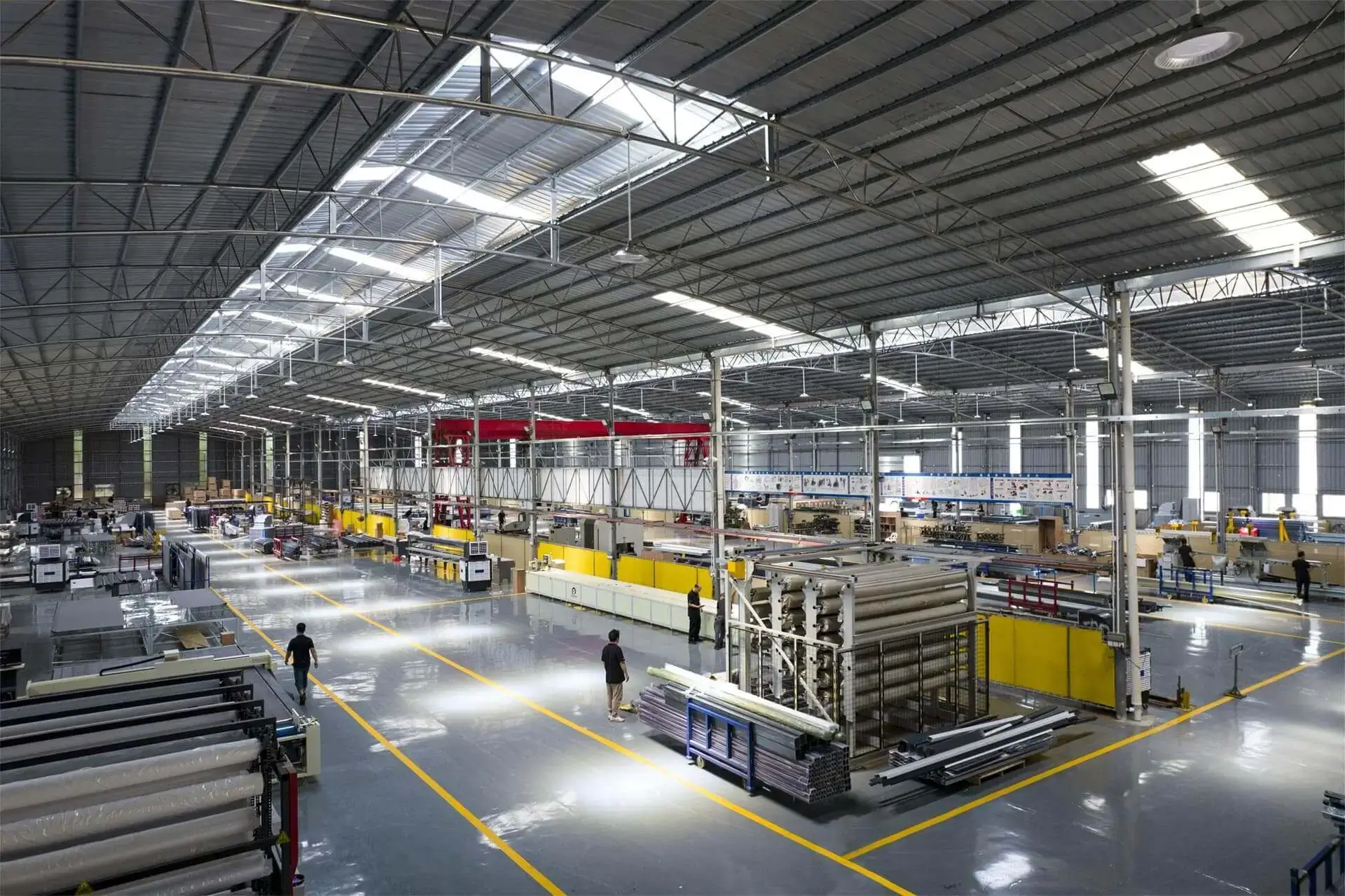
Whether you’re a contractor, business owner, or designer looking to enhance outdoor spaces, Greenawn is here to help with high-quality, customizable pergola solutions. With nearly 30 years of production experience and a 30,000 square meter factory, we are fully equipped to meet the demands of any project, no matter the size or complexity.
As a trusted OEM/ODM supplier, Greenawn specialize in designing and manufacturing durable, functional, and stylish pergolas for business-to-business clients. Whether you’re looking to supply high-end pergolas for large commercial projects, or you’re sourcing reliable, easy-to-assemble kits for distribution, we offer flexible solutions tailored to your needs.
5. Frequently Asked Questions
- What are the materials used for pergolas?
Our pergolas are made from 6063-T5 grade aluminum to build the pergola structure. - Can pergolas withstand extreme weather?
Yes, our pergolas are designed to withstand various weather conditions, including heavy rain, strong winds, and moderate snow loads. - Do pergolas add value to a property?
Yes, a well-built pergola can significantly enhance the curb appeal of your property and increase its resale value by providing additional outdoor living space. - Can I customize my pergola design?
Absolutely! We offer a wide range of customization options, including size, color, material, roof style, and more, ensuring your pergola meets your exact needs and preferences. - What is the lead time for pergola orders?
Our standard pergola models typically ship within 30 days, depending on stock availability. Custom orders may require additional time based on specific requirements.

How Tall Should a Patio Pergola Be? Typical and Special Considerations
blogTable of Contents
How Tall Should a Pergola Be? Standard Heights and Sizing Guide
Quick Answer
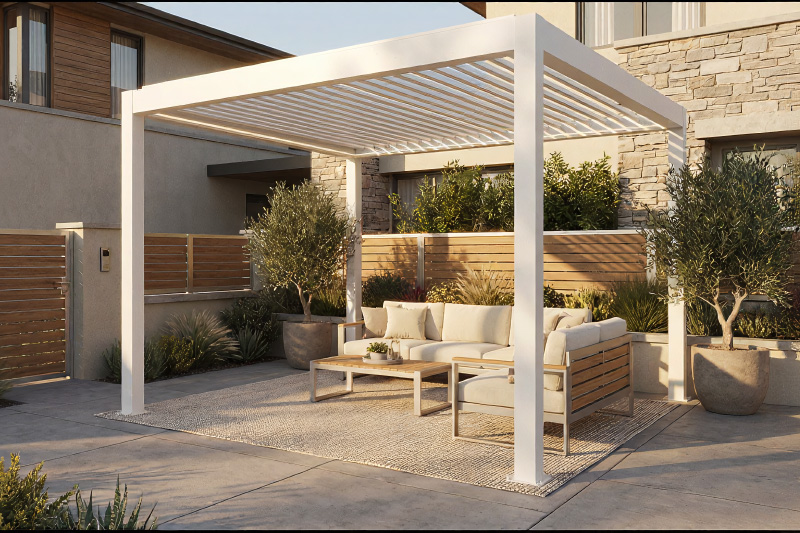
Most pergolas should be 8 to 12 feet tall, with 9 to 10 feet being the ideal height for most residential patios.
An 8-foot pergola works well for compact spaces, while a 10-foot pergola provides better airflow and overhead clearance. Heights of 11 to 12 feet are generally more suitable for large patios, outdoor kitchens, commercial spaces, or sloped roof designs.
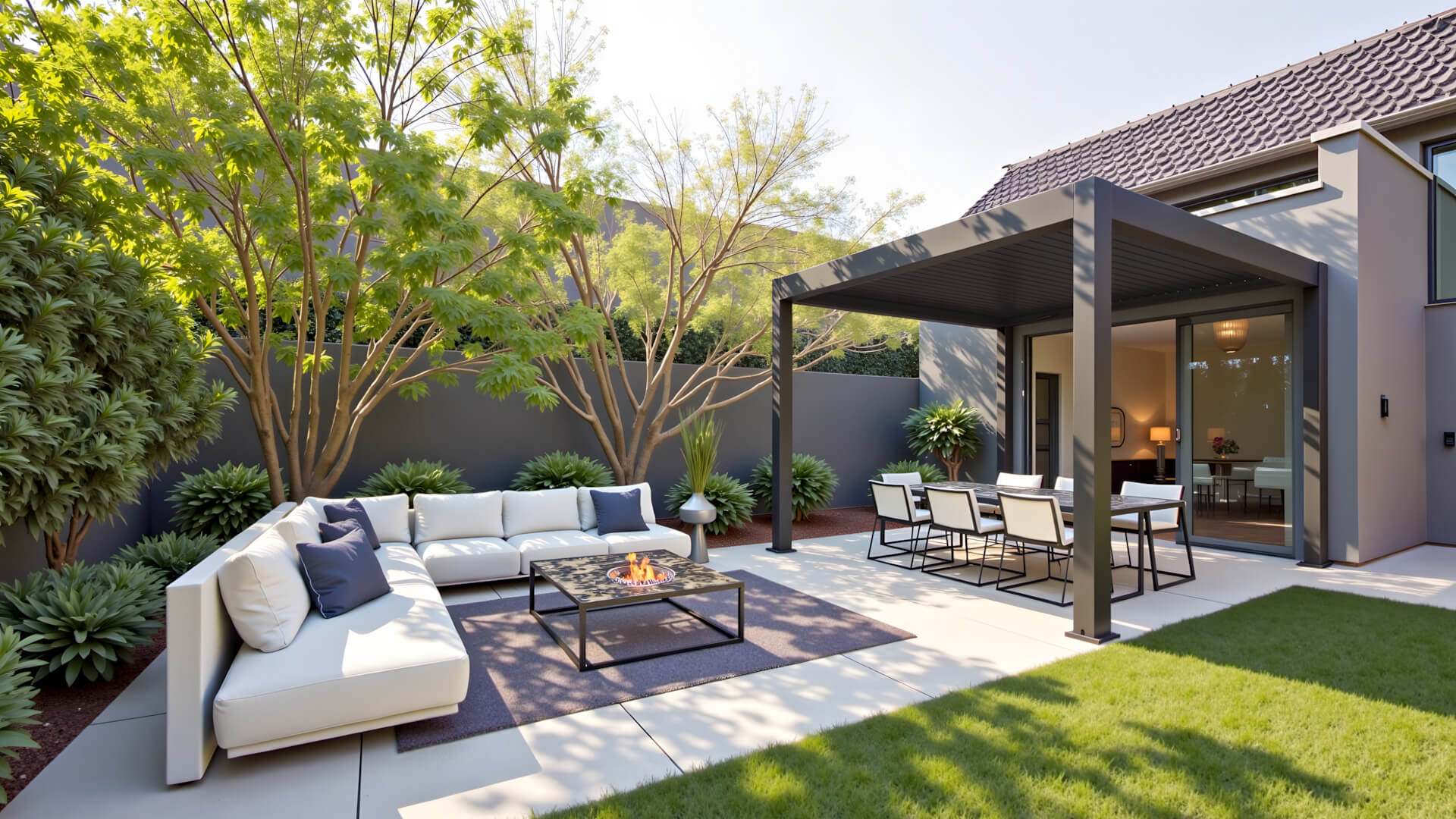
The evening sun casts a warm glow across the patio. A family gathers beneath a sleek aluminum pergola—soft music plays, dinner is served, and the open yet sheltered space feels just right. The roof offers shade without blocking the breeze, the lights hang at a comfortable height, and every proportion seems effortlessly balanced. It’s not by accident—it’s the result of choosing the right pergola height.
The height of a patio pergola directly affects the shade, airflow, visual balance, and overall usability of your outdoor space. Choosing the right height can make your pergola feel inviting and spacious, while a miscalculated one can make it feel cramped or out of proportion with your home’s architecture.
Understand the Standard Pergola Height Basics
How Tall Should a Patio Pergola Be Typically?
Most outdoor patio with pergolas fall within a standard height range of 8 to 12 feet (about 2.4 m to 3.7 m). This range offers a balanced mix of comfort, functionality, and aesthetics.
Attached vs. Freestanding: How Attachment to a House Wall Influences Ideal Height?
The type of pergola, whether attached to the house or freestanding, also affects your choice of height.
When attaching to a house, you must coordinate with existing building features, including windows, eaves, gutters, siding, and rooflines. You don’t want pergola beams or rafters to block a window view or interfere with gutters.
The attachment point (ledger) often constrains the height: many designs align the pergola top or beam line just below or slightly above the house’s eaves, so it feels like a natural extension.
Due to these constraints, attached pergolas in patio areas often fall on the lower end of the standard range (e.g., 8 to 10 feet) to maintain harmony with the existing architecture.
A freestanding pergola offers much more flexibility because it doesn’t need to align with an existing wall. You can choose a height that best balances visual scale, airflow, and usability. Because gutters or roof overhangs do not constrain you, you have more freedom to design the height you want and accommodate features like ceiling fans, pendants, taller drapery, or climbing plants. That said, going extremely tall without context may make the pergola feel disconnected from its surroundings or diminish its shade-effectiveness (depending on sun angles).
Here’s a chart to make it clearer to understand the differences between pergola in freestanding vs attaching:
Roof Type: Flat vs. Pitched or Louvered Roofs
The type of roof you choose also determines how much extra height on the patio pergola or clearance space you’ll need to accommodate its structure.
Special Scenarios That Require Height Adjustments for Safety and Balance
Proportion to Patio Space
Don’t forget: When installing a patio pergola, consider how it will interact with the home’s surroundings, including eaves, outdoor lighting, nearby trees, and balcony edges. The goal is to leave enough room for both visual balance and functional clearance, so the structure doesn’t feel squeezed or obstructed. So, you’d better understand the exact height of your patio pergola.
Special Scenarios That Require Height Adjustments for Safety and Balance
In some situations, safety, ventilation, or architectural alignment demand customized height adjustments, which would be out of the standard we mentioned above.
1. Outdoor Kitchens or Fire Features
When you’re placing a grill, fire pit, fireplace, or other combustion-based amenities under or near the pergola, heat and smoke clearance become critical because of its rising nature. So, a too-low roof can trap heat, damage materials, or pose fire hazards.
2.Two-Story Homes
If your pergola is attached or located adjacent to a multi-story structure, its height must harmonize with upper windows, balconies, rooflines, and the overall facade.
Height alignment factors:
3. Sloped Terrain
When your patio or yard is on uneven ground or a slope, using uniform post lengths alone will result in a crooked pergola. To maintain a level roofline and pleasing visual continuity, adjustments are necessary.
A Smart Pergola for Patio: Greenawn’s TO-981
So, how tall should a patio pergola be? As mentioned above, a standard patio pergola is around 8-12 feet tall. Yet, there are some considerations to make some changes according to the specific patio design ideas.
Greenawn’s TO-981 is an aluminum pergola that is designed for professional suppliers and installers who need versatility, durability, and a premium look to satisfy different customer demands. It’s built for performance and flexibility—the height can be customized to suit varying installation environments and architectural styles, ensuring perfect integration in every project.
Here are more details below:
Multiple Installation Options: The TO-981 supports wall-mounted, freestanding, and wall-hanging setups and up to 5 different styles, making it adaptable for patios, rooftops, gardens, and other commercial outdoor spaces. This flexibility allows you to tailor solutions for different customer layouts.
Hollow Shuttle Louver System: Featuring a 120° swivel design, this system provides superior top shading and ventilation control for your outdoor patio with a pergola. Its 100% waterproof structure ensures all-weather reliability, helping customers seek comfort and convenience.
Hidden Drainage System: Engineered with sealed, built-in drainage channels, this patio pergola can effectively manage rainwater without exposing pipes or compromising design integrity. This hidden system enhances both durability and aesthetics—an advantage that appeals to discerning buyers.
Waterproof LED Lighting System: The integrated low-power LED lights create a refined ambiance for nighttime use. Fully waterproof and energy-efficient, they highlight the pergola’s craftsmanship while offering long-term reliability.
Want to explore tailored configurations and bring superior pergola solutions to your market? Contact Greenawn today!
You may also interested...
Best Pergola Material: Vinyl, Wood, or Aluminum? A Technical Comparison
What Size Pergola Do I Need? Standard Sizes and Measuring Guide
Pergola Vs. Trellis: What’s The Difference? | Greenawn
Best Roofing Options for Outdoor Kitchen Pergolas: Solid Roof vs Adjustable Louvers
Pergola vs. Gazebo: Which Shade Structure Is Right for Your Outdoor Kitchen?
Outdoor Kitchen Pergola Cost Guide: Complete Pricing Guide for B2B Buyers in 2026
Contact
OEM/ODM Solutions to Elevate Your Outdoor Brand Value
Ready to take your outdoor product line to the next level? Contact Greenawn. Let us help you elevate your brandwith our bespoke solutions tailored for the outdoor industry.
Phone
+86 13622239259
Email
sale2@greenawn.com.cn
Find us Here
Building A, No. 13 Bangyan Road, Dalong Street, Panyu District, Guangzhou
Garden Pergola: The Ultimate Guide to Application and Understanding
blogWhere Should a Backyard Pergola Be Placed? 3 Things You Should Know
blog