Table of Contents
How to choose a Wind-Resistant Pergola:A Guide
A wind-resistant pergola gives shade, shape, and a more useful outdoor space. It should also stay steady when the wind picks up. The right choice is not about looks alone. Material, roof style, anchors, install quality, and care all matter. This guide shows how to choose a wind-resistant pergola for your space.
What makes a pergola wind resistant?
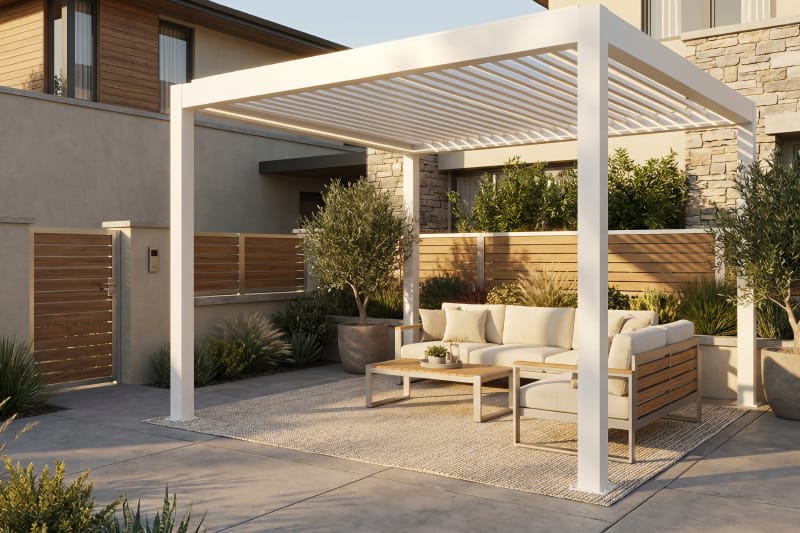
A pergola is wind resistant when the frame, roof, hardware, and base work as one unit. Strong posts help. So do firm footings, tight joints, good materials, and a roof that does not trap too much lift.
Wind does not hit the same way every time. It can push from the side, lift panels, shake louvers, and stress the joints between posts and beams. A pergola wind resistant design plans for those forces from day one. It does not rely on weight alone.
A high wind resistant pergola should feel solid as a whole system. Heavy posts are useful, but they are not enough if the fasteners are small or the base sits on a weak surface. A strong frame can still fail if the roof acts like a sail.
The best wind resistant pergola is not the heaviest one. It is the one designed, installed, and anchored the right way for the site.
Start with your local wind
Before you compare styles, look at the site. A yard shielded by homes is not the same as an open deck, a waterfront lot, a roof terrace, or a hilltop patio. The more open the site, the more you should care about wind rating, anchors, and pro install.
Think about normal gusts, seasonal storms, and even hurricane-force winds. Many buyers focus on rare bad weather. But regular wind also matters because it can loosen hardware and wear on joints over time. If chairs often blow over or umbrellas are hard to keep open, you should place wind performance near the top of your list.
Local building offices, installers, or skilled contractors can help you learn what is normal in your area. Some places also need pergola permits or plan checks. It is better to learn this early than to find out after you buy that your top choice does not fit the site.
Key site factors to review:
- Exposure level, such as an open yard, roof, coast, or courtyard
- Mounting surface, such as a concrete slab, pavers, deck frame, or footings
- Nearby wind paths made by fences, walls, alleys, or corners
- Desired size, because larger spans can catch more wind
- Roof type, especially if you will add panels, louvers, or fabric
- Local permit, code, or HOA rules
Choose materials that balance strength and care
Material choice has a big effect on wind resistance. It also changes upkeep, looks, and long-term life. A durable pergola should resist bend, split, rust, and loose joints while still matching the home.
Aluminum pergolas
Aluminum is a popular pick for a wind resistant pergola because it gives strength without much weight. Powder-coated aluminum can also stand up to rust and weather when it is made and cared for well. For many homes, it gives a clean modern look with less upkeep than wood.
The quality of the system matters. Look for thick posts, strong parts where needed, rust-safe hardware, and clear install steps. Thin decorative aluminum may look fine online but feel very different once it is in place.
Steel pergolas
Steel can be very strong, so it works well for a high wind resistant pergola. It is often used when stiffness and load support matter most. But steel must be coated or treated well to lower rust risk, especially near water or in damp places.
If you pick steel, check the finish and the joints. Rust near base plates, bolts, or scratches can turn into a care issue if you ignore it. Steel can be a great choice when the design, coat, and install fit the site.
Wood pergolas
Wood gives warmth and a classic look, but it needs more care and better design. A wood pergola can be strong when it uses the right post size, beams, bracing, and hardware. But wood can split, warp, rot, or weaken if moisture and bugs are not kept out.
For windy areas, do not pick wood on looks alone. Ask about post size, beam span, fasteners, bracing, and anchoring. Sealing or staining may also be needed to keep its strength and look.
Roof design can help or hurt
The roof is one of the biggest differences between a decorative pergola and a true outdoor shelter. It is also one of the main parts that affects wind. A roof that blocks sun and rain can also catch wind, so it must be planned for lift and airflow.
Open‑slat pergolas let more air pass through, which can lower pressure. Adjustable louvered pergolas add comfort because the louvers can open or close for sun, rain, and airflow. Solid panels may give more rain cover, but they can also raise wind load if the frame is not built for them.
Fabric canopies, curtains, and shade sails need extra care. They can turn a pergola into a sail in strong gusts. If you use fabric add-ons, pick ones that can be removed, rolled back, or tied down safely when wind rises.
When you compare roof styles, think about:
- Airflow: Can wind pass through, or will the roof trap pressure?
- Uplift resistance: Are panels, louvers, or covers fastened well?
- Drainage: Will rain add weight or stress weak points?
- Operation: Can moving parts be opened, locked, or secured before a storm?
- Accessory impact: Will lights, fans, curtains, or screens add wind load?
Anchoring is not optional
Even the best wind resistant pergola can fail if it is not anchored well. Wind resistance depends on what the posts attach to and how the load moves into the ground or the support frame. A pergola on pavers or thin decking without proper support is not the same as one tied to footings or a sound concrete slab.
Concrete footings are often used because they give posts a stable base. A concrete patio may also work if it is thick, sound, and right for the pergola system. Deck installs need special care because the pergola must tie into the frame, not just the top boards.
Do not assume the bolts or brackets in the box are right for every surface. Each mounting case may need its own anchors, depth, and added support. If you are not sure, talk to a pro installer or a structural expert before you begin.
A strong anchoring plan should answer these questions:
- What exact surface will hold the pergola?
- Are the posts tied to structural material, not just a finish layer?
- Are the anchors right for the base material and load?
- Are the base plates safe from rust and water pooling?
- Does the install follow the maker’s instructions?
- Is more engineering needed for decks, roofs, or open sites?
How to compare wind ratings without getting misled
Compare wind ratings by looking for clear, written test data and by checking the conditions behind the rating. A number only helps if you know the size, layout, anchor type, roof position, and install rules it is based on.
Some pergolas are rated under set conditions, such as louvers open, full anchor to concrete, or a fixed size. If you choose a larger model, add privacy walls, mount it on a deck, or leave add-ons in place during storms, real-world results may differ.
Ask for papers, not just sales words. Phrases like heavy-duty and storm-ready sound good, but they do not replace install rules or engineering data. The best wind resistant pergola brands make it easy to see how the product should be set up and what limits apply.
Useful questions to ask before buying:
- Is there a wind rating for this exact model or setup?
- What anchoring method is needed for that rating?
- Does the rating change when louvers, panels, or canopies are open or closed?
- Are there size limits for higher wind sites?
- Are engineering files or install specs available?
- What care is needed to keep the performance up over time?
Design details that add strength
Wind resistance is not only about the main frame. Small design details can shape how a pergola feels, sounds, and lasts. A durable pergola should cut wobble, protect hardware, and avoid weak spots where stress builds.
Look at the joints where posts meet beams. These spots carry a lot of load, so they should be strong and fit well. Loose cover pieces should not be the only thing hiding a weak joint.
Bracing can also help stability, especially on freestanding units. Some modern designs hide added support so the look stays clean while the frame gets stiffer. If the pergola has moving louvers, check how they lock, turn, and seal. Rattling parts can be a pain in steady wind.
Prioritize these durability features:
- Thick, rigid posts sized for the span
- Strong corners and beam-to-post joints
- Rust-safe bolts, screws, brackets, and base plates
- A finish that resists peel, chip, and rust
- Roof parts that do not flap, lift, or rattle easily
- Drain paths that move water away from joints
- Clear care steps from the maker
Match the pergola to how you use the space
A wind resistant pergola should still fit the way you live outdoors. If you mainly need shade over a dining area, your needs may be different from someone building a year-round lounge with screens, lights, and heaters. The more features you add, the more you should think about structural fit.
For dining spaces, look for airflow and enough cover to keep the area comfy without making it feel closed in. For outdoor kitchens, leave safe clear space and use durable finishes that can handle heat, moisture, and cleaning. For poolside or coastal patios, rust resistance and strong anchors matter even more.
If you are exploring outdoor shelter ideas, be realistic about what a pergola can do. A pergola can make shade, shape outdoor room, and improve comfort. It is not a full house, and it may need storm prep in severe weather.
Install it the right way
Install is where wind resistance becomes real. A good design installed badly may fall short, while a well-installed system can feel firm and last longer. Follow the maker’s instructions closely, and do not make up your own anchor, post, or joint plan.
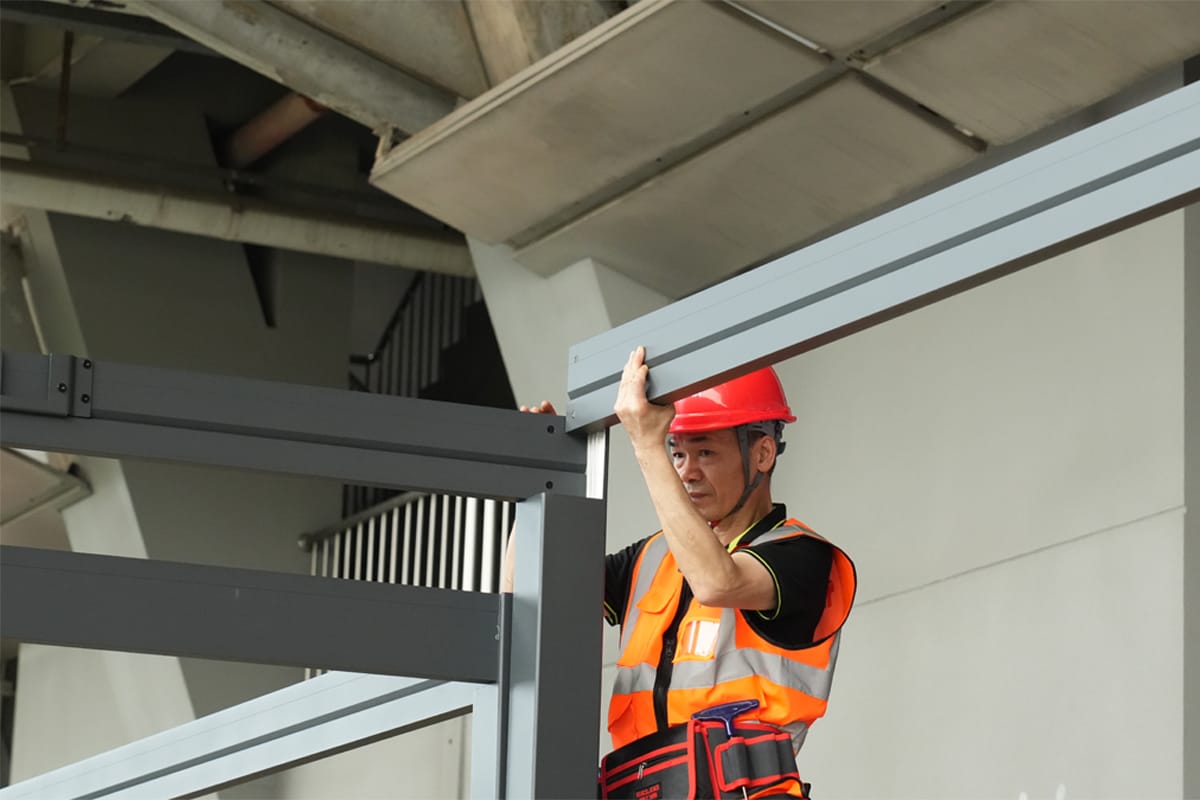
Pro install is often worth it for large pergolas, deck mounts, roof spots, or high wind areas. Installers can check slope, drainage, base material, and level. They can also help avoid common problems like out-of-plumb posts, anchors too close to slab edges, or fasteners that are not tight enough.
Before install, clear the space and check all sizes. After install, inspect the pergola in the first few weeks of use. If you see movement, rattle, loose bolts, or water near the posts, fix it fast instead of waiting for the next storm.
Keep a wind resistant pergola in good shape
Wind resistance is not a one-time thing. Outdoor structures face sun, rain, heat, cold, and repeat shake. A simple care plan helps keep the pergola steady, good-looking, and ready for changing weather.
At least once each season, check the frame, roof parts, anchors, and add-ons. Tighten hardware if the maker says to, clear debris from drain paths, and look for rust or finish damage. If your pergola has louvers or moving parts, keep the parts clean and smooth.
Before severe weather, take off loose items such as light curtains, temporary shade cloth, hanging plants, or loose décor. Open or secure moving parts as the product guide says. After strong wind, check the frame before you use the space again.
A practical buying checklist
Use this list when you compare pergolas so style does not distract you from strength. The goal is to choose a pergola that looks good, fits your outdoor space, and has the build your site needs.
- Confirm the pergola fits your local wind exposure.
- Check the material, post size, frame design, and joint quality.
- Ask for wind rating details and the rules behind them.
- See if the rating depends on a certain anchor or surface.
- Pick a roof style that balances shade, airflow, and uplift resistance.
- Make sure add-ons fit windy conditions.
- Check permit, code, or HOA rules.
- Plan for pro install if the site is complex or open.
- Follow maintain steps to keep hardware and moving parts secure.
- Skip products that make vague claims with no install guidance.
Choose strength, comfort, and the right fit
The right wind-resistant pergola should make your outdoor area more comfy without adding worry each time the forecast changes. Focus on the whole system: material, roof design, anchoring, install, and care. When those parts work together, you get a stronger and more reliable outdoor shelter.
If you are ready to compare options, visit our product page to explore a durable pergola built for outdoor comfort and wind-ready use. Use this guide as your checklist, and choose the setup that fits your space, climate, and daily routine.
Q&A
Q: What matters most when choosing a wind-resistant pergola?
A: The whole system matters most. Materials help, but wind resistance also depends on roof design, anchors, joint quality, install, and care. A heavy frame alone is not enough if the pergola sits on a weak surface or has roof parts that catch wind.
Q: Is aluminum, steel, or wood best for a wind resistant pergola?
A: Each one can work if it is designed and installed well. Aluminum is popular because it gives strength, lower weight, and low upkeep. Steel can be very strong but needs good rust protection. Wood can be strong and nice looking, but it often needs more care and close attention to post size, bracing, fasteners, and moisture control.
Q: Why does roof style change wind performance so much?
A: The roof is where wind can create pressure and lift. Open-slat designs let more air move through. Adjustable louvers can be opened or secured based on the weather. Solid panels and fabric add-ons can give more shade or rain cover, but they can also catch wind if the pergola was not built for them.
Q: Can a pergola be set up on a deck or paver patio in a windy area?
A: Maybe, but it takes extra care. A pergola should tie into structural support, not just deck boards, pavers, or thin decking. Deck installs often need a tie-in to the frame, while paver areas may need proper footings below. For windy, roof, deck-mounted, or open sites, pro help is a smart move.
Q: How can I tell if a pergola wind rating is reliable?
A: Look for written test data for the exact model, size, roof setup, and anchor method you plan to use. Ask if the rating depends on louvers being open or closed, a certain concrete anchor, or size limits. Sales words like heavy-duty and storm-ready are not a stand-in for clear install rules or engineering data.
You might also be interested in...


OEM/ODM Solutions to Elevate Your Outdoor Brand Value
Ready to take your outdoor product line to the next level? Contact Greenawn. Let us help you elevate your brand with our bespoke solutions tailored for the outdoor industry.
Phone
+86 13622239259
sale2@greenawn.com.cn, sale15@greenawn.com.cn
Find us Here
Building A, No. 13 Bangyan Road, Dalong Street, Panyu District, Guangzhou