Entries by Danny

Get the Most Out of Your Outdoor Areas with Greenawn, the Reliable Chinese Manufacturer of Aluminum Pergolas

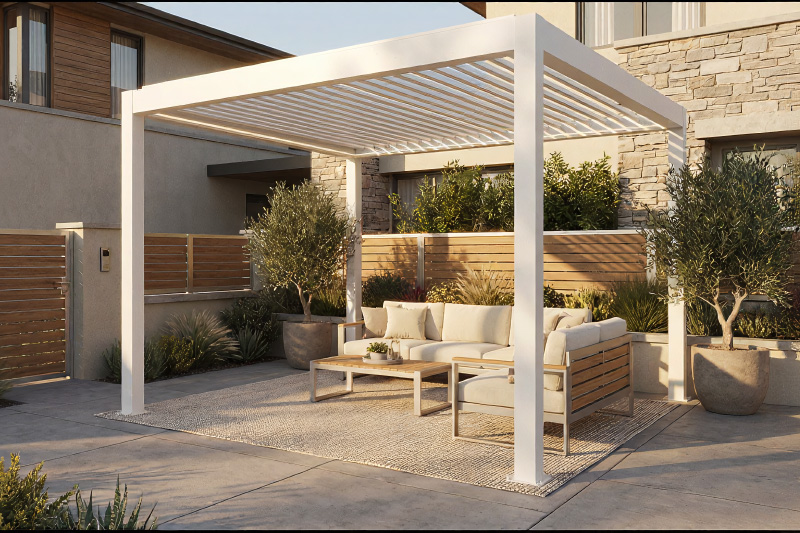
Get the Most Out of Your Outdoor Areas with Greenawn, the Reliable Chinese Manufacturer of Aluminum Pergolas At Greenawn, we pride ourselves on being a leading aluminum pergola manufacturer in China. Our commitment to designing and manufacturing premium pergolas is not just about aesthetics; it’s about enhancing outdoor spaces while ensuring functionality. With nearly three […]

What is the Function of a Pergola?

Table of Contents

What is the Function of a Pergola?

A pergola is an outdoor structure that creates a partially shaded, open-sided “room” under the sky — and its real job is to turn unused yard or patio space into a comfortable, defined place you actually use. Beyond looks, a pergola earns its spot by delivering five core functions: sun control, a sense of room, curb appeal, a frame for lights and plants, and a natural gathering spot.

Below we break down each one, then show how an aluminum louvered model delivers them all in one weatherproof package.

What Is a Pergola, Exactly?

To appreciate the functions, it helps to know what a pergola actually is. A pergola is an outdoor structure built to create a partially shaded area while adding elegance to a garden, patio, or yard. It typically consists of vertical posts supporting cross-beams and an open or semi-open roof.

What Is a Pergola Made Of?

Pergolas are built from different materials depending on style and durability needs:

  • Wood — classic and natural, but needs regular maintenance.
  • Aluminum — modern, durable, and low-maintenance; the backbone of Greenawn’s louvered pergolas.
  • Steel — strong and industrial in look.

Pergola Structure: How It’s Built (and How It Differs from a Gazebo)

Structurally, a pergola is defined by four or more supporting columns and a roof framework of beams or slats. Unlike a gazebo, it is usually open-sided and open-roofed, which gives it far more flexibility in design and use. (Not sure which structure fits your space? Our pergola vs gazebo vs patio cover comparison walks through the trade-offs.)

The 5 Core Functions of a Pergola

1. Partial Shade & Sun Control

One of the main functions of a pergola is striking a balance between sun and shade. A slatted or louvered roof lets natural light filter through while still offering relief from direct sun. On summer afternoons, you can tilt adjustable louvers to create a cool retreat — enjoying the outdoors without retreating indoors. It’s about controlling comfort, not sacrificing it.

2. Creating a Defined Outdoor “Room”

A pergola gives shape and purpose to your backyard. Instead of an undefined patch of lawn or patio, it becomes a “room” under the sky. Families often turn it into a dining spot for weekend barbecues; others use it as a lounge with cushioned seating, where every visit feels like a mini outdoor vacation. That defined boundary makes even ordinary evenings feel more intimate and organized.

3. Enhancing Aesthetics & Property Value

Beyond comfort, a pergola upgrades how a home looks and feels. Picture walking up to a house framed by a sleek aluminum pergola draped in greenery — it instantly signals style and care. A high-end pergola often makes the property more attractive to buyers, who imagine themselves entertaining and relaxing in that same beautiful space. (See the full list of pergola benefits →)

4. A Framework for Outdoor Features

A pergola is also a blank canvas. Homeowners weave climbing roses overhead, hang fairy lights for a magical glow at night, or install ceiling fans to stay cool in summer. Screens or curtains add privacy when needed, creating a personal sanctuary. The experience evolves with the seasons — lush in spring, cozy in autumn, festive for winter gatherings.

5. A Place to Gather

Most importantly, pergolas create moments. A long table under the beams becomes the setting for family dinners; a quiet corner hosts morning coffee with a partner; friends gather there for laughter late into the night. By defining a shared space, a pergola naturally pulls people together — turning ordinary days into cherished memories.

How an Aluminum Louvered Pergola Delivers All 5 Functions

Just imagine those moments: morning coffee under soft, filtered light, laughter-filled dinners beneath vine-draped rafters, a peaceful evening under gentle glowing beams. Those are what a pergola brings to your life — relaxed, connected, inspired, enriched. To make those experiences effortless and weatherproof, Greenawn’s GR-9700A is engineered to deliver every function above.

Greenawn’s GR-9700A Pergola

The GR-9700A creates a stage for memories, weatherproof comfort, and lasting elegance for every part of your life:

Experience You WantHow GR-9700A Brings It to Life
Soft, filtered sunshineAdjustable, sun-controlling louvers
Rain-no-fuss gatheringsWaterproof structure with a hidden gutter
Evening atmosphereBuilt-in LED lighting
Safe, all-weather shelterDurable aluminum, heavy-load certified
Effortless setup & design matchUser-friendly assembly and stylish finishes

A Structure as Solid as the Moments It Holds

The GR-9700A is built from high-quality aluminum, offering enduring strength and a modern, refined look. Certified by SGS, CE, and UL, its robust framework handles harsh elements — from strong winds to heavy snow — so your outdoor sanctuary stays steadfast through every season.

Sun, Shade, or Rain

Flexible, double-layer louvers let you craft the exact ambiance you want. Rotate them to enjoy gentle sunlight, positioned just right for your morning reading, or close them tight during an afternoon shower. A hidden gutter and rubber-sealing system ensures smooth drainage and full waterproof protection.

Light Up What Matters

Imagine intimate nights under a soft glow — no flickering candles, just perfect lighting at your fingertips. With built-in louver LED, perimeter LED, or RGB LED (all with dimming control), you can shift from a relaxed dinner vibe to a festive evening in a heartbeat.

Conclusion

A pergola is a kind of life. Through its functions, it makes your days more relaxed, your moments with others more connected, your time outdoors more inspired, and your home more enriched. Whether for shade, style, or togetherness, a pergola elevates everyday living into something special — and with Greenawn’s GR-9700A, those feelings aren’t just imagined, they’re built to last.

Want a pergola that does all of this? Contact Greenawn for aluminum pergola solutions, OEM/ODM support, and technical specs that make planning and permitting easy.

Frequently Asked Questions

What is a pergola used for?

A pergola is used to create a comfortable, defined outdoor space — for shade and sun control, dining and lounging, boosting curb appeal, supporting lights and plants, and gathering with family and friends. It turns an open patio or yard into a usable “room” under the sky.

What are the benefits of a pergola?

Key benefits include partial shade, a defined outdoor living area, higher property appeal, a flexible frame for lighting and greenery, and a natural spot to host gatherings. 

Is a pergola worth it?

For most homeowners, yes. A pergola extends usable living space outdoors, adds everyday comfort, and can lift how buyers perceive the property. An aluminum louvered model adds year-round value because it controls sun and rain instead of just framing the view.

What’s the difference between a pergola, gazebo, and patio cover?

A pergola is open-sided with a slatted or louvered roof; a gazebo is a fully roofed, often octagonal structure; a patio cover is a solid roof attached to the house. 

Do pergolas block rain and sun?

Open-louver pergolas filter sunlight and can close fully to block rain when the louvers shut (with a hidden gutter for drainage). Solid-roof or fixed-lattice models block more sun but less rain. Aluminum louvered systems like Greenawn’s GR-9700A are waterproof when closed.

Are pergolas permanent structures?

Freestanding pergolas are often classified as accessory structures and may be exempt from a building permit below certain size/height limits; attached or large ones usually need a permit. 

Which is better: wood or aluminum pergola?

Wood looks classic but needs ongoing maintenance. Aluminum is modern, low-maintenance, and weatherproof, and it supports adjustable louvers, built-in lighting, and certified wind/snow loads — ideal if you want a “set it and forget it” structure.

OEM/ODM Solutions to Elevate Your Outdoor Brand Value

Ready to take your outdoor product line to the next level? Contact Greenawn. Let us help you elevate your brand with our bespoke solutions tailored for the outdoor industry.


Phone

+86 13622239259


Email

sale2@greenawn.com.cn,
sale15@greenawn.com.cn


Find us Here

Building A, No. 13 Bangyan Road, Dalong Street, Panyu District, Guangzhou


Swimming Pool Pergola

Create a comfortable poolside retreat with a customizable aluminum pergola designed for shade, ventilation, and weather protection. Motorized louvers, integrated drainage, LED lighting, side screens, and corrosion-resistant finishes help extend the usability of swimming pool areas for residential, hospitality, and commercial projects.

The Best Pergola Options, Styles & Ideas For Patio

Table of Contents

The Best Pergola Options, Styles & Ideas For Patio

A pergola can turn a plain patio into a more comfortable, defined, and inviting outdoor room. But with so many patio pergola options ,choosing the right design can be harder than it looks. 

This guide walks through practical pergola options, design ideas, and planning details so you can choose a patio structure that fits your home and the way you live outside.

Which pergola is best for your patio?

The best pergola for your patio is the one that matches your climate, maintenance expectations, budget, and daily use. A simple open-roof pergola may be ideal if you want filtered light and architectural style, while a covered or adjustable pergola works better if you need stronger shade or rain protection. Before choosing materials or styles, think about what problem the pergola should solve first.
Start with three questions: when do you use the patio, how much sun does it receive, and what activities happen there? Morning coffee, weekend grilling, outdoor dining, poolside lounging, and quiet reading all call for slightly different pergola plans. A pergola that looks beautiful but blocks circulation, traps heat, or fails to shade the seating area at the right time will feel disappointing in practice.

Popular Patio Pergola Options

Pergolas are usually compared in two ways: how they are installed and how the roof works. Understanding both makes it easier to choose the right option for your patio.

Pergola Options by Installation Type

Freestanding Pergolas

A freestanding pergola stands independently from the house and can be positioned over a patio, pool area, garden, or outdoor dining zone. It offers more flexibility in placement and works especially well when the best seating or shade area is away from the building.

Attached / Wall-Mounted Pergolas

An attached pergola connects directly to the house or another building. It works well for patios outside kitchens, dining rooms, or sliding doors because it creates a more continuous transition between indoor and outdoor living space.

Pergola Options by Roof Type

Open-Roof Pergolas

Open-roof pergolas use fixed rafters, beams, or slats with gaps between them. They provide partial shade and a light architectural structure while keeping the patio open to sunlight, airflow, and rain.

Louvered Pergolas

Louvered pergolas use adjustable roof blades that can open, tilt, or close. They are useful when you want more control over sunlight, shade, ventilation, and rain protection throughout the day.

Fixed-Roof / Covered Pergolas

Fixed-roof pergolas use a permanent roof covering such as solid panels, polycarbonate, metal, or another roofing material. They provide more consistent shade and weather protection but do not offer the same level of light or ventilation control as an adjustable roof.

Pergola optionBest forMain advantageMain consideration
FreestandingGardens, pools, large patiosFlexible placementRequires its own foundation
AttachedPatios beside the houseIndoor-outdoor connectionWall and drainage details matter
Open-roofDecorative shadeAiry, simple designLimited rain protection
LouveredMulti-use patiosAdjustable sun, airflow and rain protectionHigher complexity
Fixed/coveredPermanent shelterConsistent shade and rain coverLess light and ventilation control

Materials shape the look, lifespan, and upkeep

Material choice affects how the pergola looks on day one and how it ages over time. It also influences maintenance, installation complexity, and the overall character of the patio.

Common material directions include:

  • Wood: Warm, classic, and highly adaptable. Wood works with rustic, traditional, coastal, and modern patios, but it usually needs periodic care to manage weathering.
  • Vinyl: Clean-looking and low maintenance. Vinyl can be a practical choice when you want a bright, finished appearance without staining or painting.
  • Aluminum: Lightweight, durable, and often used for modern pergolas. It pairs well with sleek homes and can support adjustable or louvered designs.
  • Steel: Strong and visually bold. Steel may suit industrial or contemporary patios, though finish quality matters for outdoor exposure.
  • Composite materials: Designed to offer a balance of durability and appearance. Composite pergola options can mimic some warmth of wood while reducing routine upkeep.

The best material is not always the most expensive or dramatic. It is the one that fits your weather, your willingness to maintain it, and the architecture already around the patio.

pergola materials options

Patio pergola ideas that improve everyday use

A pergola should do more than look good in a photo. The most successful designs make the patio easier to use, more comfortable, and more naturally connected to the home or garden.

Create zones for dining and lounging

If your patio is large enough, use the pergola to define a specific activity area. A pergola over a dining set makes meals feel intentional, while one over a sectional creates a relaxed outdoor living room. Leave enough open space around furniture so people can pull out chairs, walk with serving trays, or move between the grill and table.

Add shade where it actually lands

Shade changes throughout the day, so placement matters as much as size. If your patio gets harsh afternoon sun, orient rafters, louvers, or covers to reduce glare during those hours. For open pergolas, climbing plants, fabric panels, or closely spaced slats can increase shade without fully enclosing the patio.

Use plants for softness and privacy

Pergolas are natural supports for vines, hanging baskets, and vertical greenery. Plants can soften strong lines, add seasonal interest, and create gentle privacy from neighboring yards. Choose plantings based on local growing conditions and the amount of maintenance you enjoy, not just appearance.

Layer lighting for evening comfort

Lighting can make a pergola useful long after sunset. String lights create a casual glow, while sconces, pendants, or recessed fixtures feel more polished. Consider task lighting near cooking areas and softer ambient lighting near seating so the space feels warm rather than overlit.

How should you plan a pergola before building?

Good pergola plans begin with the patio layout, not the structure alone. Measure the available space, note doors and walkways, observe sun patterns, and decide what furniture must fit beneath the pergola. Once those basics are clear, you can choose a size, roof style, post placement, and material with more confidence.

Use this planning checklist before committing:

  1. Define the main purpose. Shade, dining, privacy, plant support, and visual impact each lead to different design choices.
  2. Measure the patio carefully. Include furniture clearaance, grill zones, steps, doors, and walking paths.
  3. Check sun and wind exposure. A beautiful pergola should still feel comfortable during the hours you use it most.
  4. Consider drainage. Covered and louvered designs need a plan for moving water away from seating and the house.
  5. Match the home’s style. Repeat colors, materials, or shapes from the exterior so the pergola feels intentional.
  6. Review local requirements. Permits, setbacks, anchoring, and homeowner association rules may affect what you can build.
  7. Plan utilities early. Lighting, fans, heaters, and outlets are easier to include before construction than after.

What Is the Best Pergola Design for Your Patio?

Best Pergola for a Small Patio

For a small patio, keep the pergola visually light. Slim posts, pale colors, open rafters, and simple furniture can create definition without making the area feel crowded. Built-in benches or compact dining sets may help preserve usable floor space.

Best Pergola for a Modern Patio

For a modern patio, consider aluminum, clean lines, black or charcoal finishes, and integrated lighting. A louvered roof can reinforce the streamlined look while adding practical control over shade.

Best Pergola for a Garden Patio

For a garden patio, a wood pergola with climbing plants can feel relaxed and organic. Pair it with natural textures, planters, gravel borders, or soft landscape lighting to make the transition into the yard feel gradual.

Best Pergola for Entertaining

For an entertaining patio, prioritize circulation and comfort. Add enough coverage for the main seating area, leave clear access to cooking spaces, and choose lighting that supports both meals and conversation.

Choosing with confidence

The best pergola for a patio is one that balances appearance, comfort, and everyday function. A pergola should frame the space, provide the right level of comfort, and support the way you already want to spend time outdoors. Whether you prefer a simple freestanding frame, an attached extension of the home, or a flexible louvered design, thoughtful planning will make the finished patio feel more useful and more complete.

Frequently Asked Questions

Which pergola material should I choose?
Wood looks classic but needs regular sealing; PVC is maintenance-free yetcracks in extreme weather; steel is strong but rusts. Aluminum does not rust,lasts 20+ years, and needs almost no upkeep-Greenawn recommends aluminum for backyard patio pergola ideas.

Do I need a building permit for a patio pergola?
Usually a pergola does not require a permit, but rules vary by region andhomeowners association. Learn more about if you need building permit for your patio.

How much does a patio pergola cost?
Cost depends on size, material, and features. Prefab kits are budget-friendly;custom builds cost more. 

What is the difference between freestanding, wall-mounted,and anchored pergolas?
Freestanding pergolas are movable and good for seasonal use; wall-mounted units fix to the house and extend indoor-outdoor living at lower cost;anchored pergolas bolt to the ground for maximum stability in bad weather.You can combine freestanding + anchored for a fully independent structure.

Can I install a pergola myself?
Yes. Greenawn patio kits ship with detailed instructions and clear installationvideos, need only 2-3 people and basic tools, and are DIY-friendly for all skill levels.

OEM/ODM Solutions to Elevate Your Outdoor Brand Value

Ready to take your outdoor product line to the next level? Contact Greenawn. Let us help you elevate your brand with our bespoke solutions tailored for the outdoor industry.


Phone

+86 13622239259


Email

sale2@greenawn.com.cn,
sale15@greenawn.com.cn


Find us Here

Building A, No. 13 Bangyan Road, Dalong Street, Panyu District, Guangzhou