
Can a Pergola Really Withstand a Hurricane?
April 28, 2026
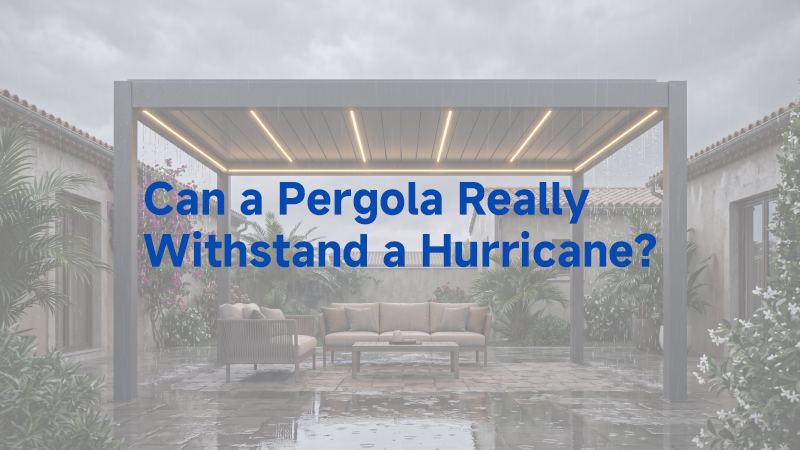
If you’re from North America or other hurricane-prone areas and considering buying a pergola, you may want to know if it can withstand extreme weather conditions like hurricanes. Pergolas are typically designed for shade and aesthetics, but how well do they withstand the forces of nature, especially during strong storms?
This article will explore whether pergolas can withstand hurricanes, how to build a hurricane-proof pergola, and the best materials and installation methods to ensure your pergola can withstand strong winds
Can Pergolas Withstand a Hurricane? Fast Q&A
1. Can a Pergola Withstand Hurricane Winds?
2. What Materials Are Best for Hurricane-Resistant Pergolas?
Currently, the most durable materials for hurricane-resistant pergolas are aluminum and steel. They offer higher resistance to wind stress and corrosion compared to wood or vinyl. Greenawn’s aluminum pergolas are built with high-strength alloys designed to handle intense winds, rain, and humidity.
3. How Do You Make a Pergola Hurricane-Proof?
To build a hurricane-proof shade, proper installation, a solid foundation, and the use of wind-resistant materials are key. Pergolas that are anchored securely into the ground, use high-strength components, and have a strong frame structure can endure hurricane conditions more effectively. Next, I will explain in detail how to make a Pergola Hurricane-Proof.
So, How to Make a Pergola Hurricane-Proof?
To ensure your pergola can withstand a hurricane, several factors must come together. Here are some essential principles for making a pergola hurricane-proof:
1. Wind Channeling and Load Distribution
This is the core of wind resistance performance. Louvered and insulated roofs allow wind to pass through smoothly, rather than being trapped, thus reducing the overall wind force acting on the structure. Curved and sloping roof surfaces allow wind to glide away quickly, thereby reducing frontal wind pressure and rear suction.
2. Choose Sturdy Framework
A pergola’s frame must be strong enough to handle extreme weather conditions. Pergolas built with high-strength aluminum or steel frames offer superior durability and resistance to bending or breaking during high winds. The frame should be reinforced with heavy-duty bolts and secure joints to ensure maximum stability.
Specific Levels:
- Aluminum Alloy Frame: Aluminum alloy is lightweight while providing high strength and corrosion resistance. Aluminum alloy frames typically withstand wind speeds of 89 km/h to 117 km/h, providing effective support in typical storm weather.
- Steel Frame: Steel frames are stronger than aluminum alloy frames and are suitable for environments with higher wind resistance requirements. High-strength steel frames can withstand wind speeds of 130–180 km/h, suitable for hurricane-level storms.
To enhance the frame’s wind resistance, Greenawn’s pergola design uses reinforced connectors and heavy-duty bolts to ensure the frame does not deform or break in strong winds. This reinforced design allows the entire frame to better withstand wind forces from all directions, preventing breakage or displacement due to excessive localized pressure.
3. Build A Solid Foundation
The foundation of a pergola is crucial for its overall wind resistance. To make a pergola hurricane-proof, ensure that it is securely anchored into the ground or attached to the structure of a building (if it’s a wall-mounted pergola). For freestanding pergolas, deeply embedded posts are essential to prevent the structure from being uprooted during high winds.
4. Select High Wind-Resistant Materials
The material used in the construction of the pergola plays a significant role in how well it can withstand hurricane-force winds. Aluminum, steel, and composite materials are some of the best options because they are strong, lightweight, and resistant to corrosion. Wooden pergolas tend to be less wind-resistant and may require additional reinforcements for hurricane-prone areas.
5. Wind direction during installation
The direction in which the pergola is installed also impacts its ability to withstand hurricanes. Install the pergola in such a way that the structure faces the prevailing wind direction to minimize wind resistance.
Do All Pergolas Withstand Hurricanes?
Not all pergolas are built to withstand hurricane-force winds. The design, material quality, and installation method vary greatly across different pergolas, meaning some are more suitable for hurricane-prone areas than others.
1. Pergola Materials
- Wooden Pergolas: Wood is a popular material for pergolas, but it is not ideal for hurricane-prone areas. Wooden pergolas may warp, rot, or break under intense wind pressure unless reinforced with heavy-duty bracing and anchoring.
- Vinyl Pergolas: Vinyl is lightweight and low-maintenance, but it lacks the structural strength needed to withstand hurricane winds. While vinyl pergolas are excellent for moderate weather, they might not be the best choice for areas prone to extreme storms.
- Metal Pergolas: Aluminum and steel pergolas are much stronger and more durable than wood or vinyl. They can resist bending, rusting, and damage from high winds, making them more suitable for hurricane-prone regions.
2. Pergola Installation Type
The installation type also determines a pergola’s ability to withstand strong winds:
- Wall-Mounted Pergolas: Pergolas attached to a building’s structure are often more stable in high winds because they benefit from the support of the wall. However, the attachment points must be reinforced to ensure the pergola remains securely fastened during a hurricane.
- Freestanding Pergolas: Freestanding pergolas are more vulnerable to strong winds and require a much stronger foundation and structural integrity to withstand hurricanes.
How Much Wind Can a Pergola Handle?
Pergolas designed for hurricane-prone areas undergo wind resistance testing to measure how much wind they can withstand. Depending on the design and materials, pergolas can withstand different levels of wind speed:
- Category 1 Hurricane: 74–95 mph (119–153 km/h). Standard reinforced aluminum pergolas can withstand this level with proper installation and solid foundations.
- Category 3 Hurricane: 11–129 mph (179–208 km/h). Only heavy steel frames or fully reinforced aluminum pergolas stay stable under such strong winds.
- Category 5 Hurricane: Over 157 mph (252 km/h). This extreme wind requires custom hurricane-rated pergolas with full structural upgrades, not for regular outdoor use.
At Greenawn, most of our standard aluminum pergolas are engineered to withstand wind speeds up to 120 km/h. Every product goes through strict wind resistance tests to meet outdoor safety standards. We also provide official test certifications to verify structural durability for coastal and storm-prone regions.
How to test the wind resistance of a pergola
- Sample Setup
Build full-size pergola samples with original materials and accessories. Install them following standard on-site steps to simulate real outdoor conditions.
- Wind Tunnel Simulation
Use standard wind tunnel equipment. It simulates adjustable wind speeds and different wind directions to restore natural storm environments.
- Graded Wind Testing
Start with low wind speed and increase step by step. Keep each wind level for a certain time to check overall stability.
- Structural Inspection
Check key parts during testing. Monitor frame bending, joint tightness, louver fixation and component displacement under continuous wind pressure.
- Data Recording & Certification
Record the maximum safe wind speed and all structural performance data. Issue standardized test reports and wind resistance certifications for customer reference.
Your Ideal Hurricane-Proof Pergola: GR-9700A
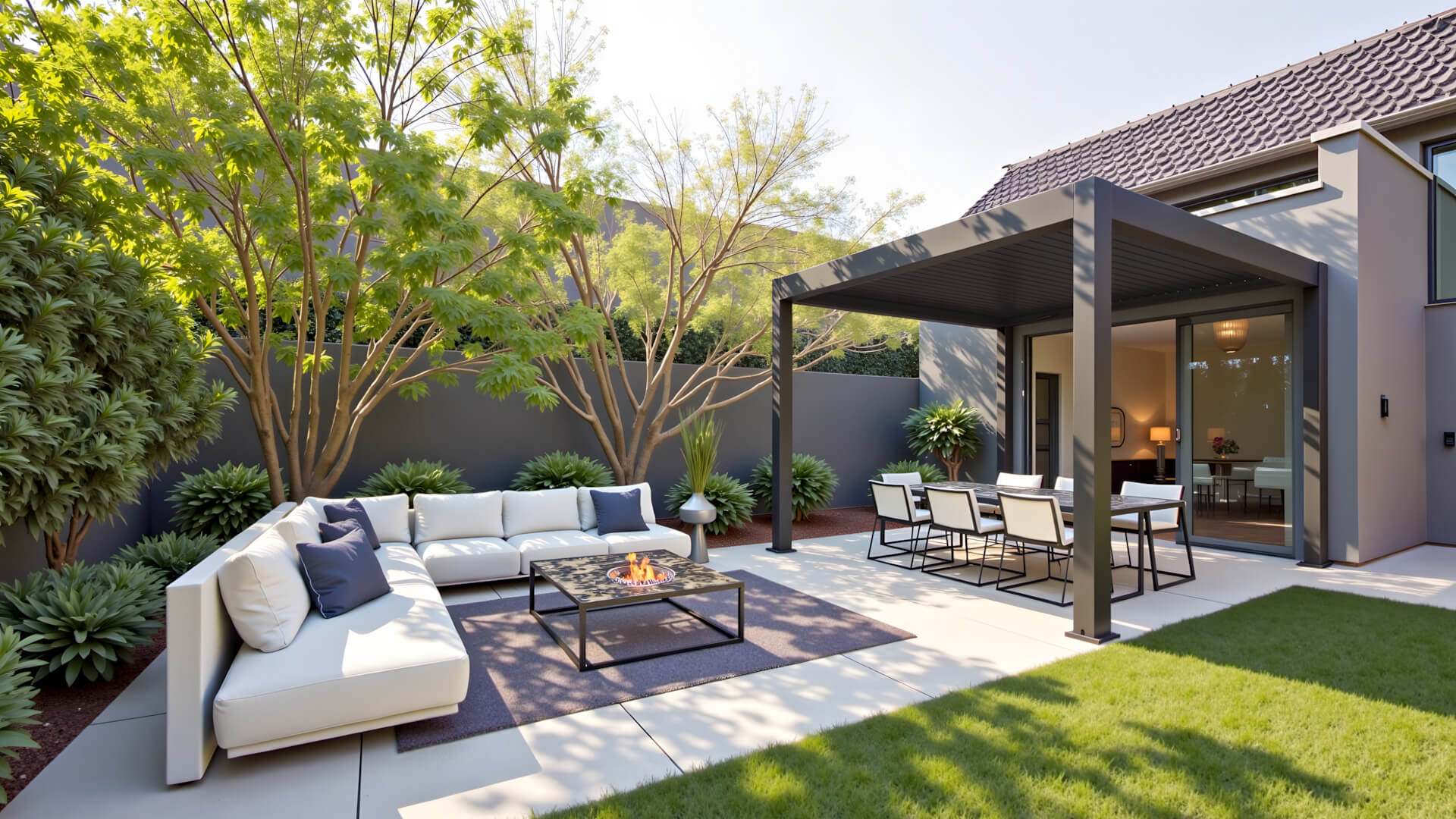
If you are looking for a pergola that can withstand high winds and even hurricane-level conditions, Greenawn’s 9700A model is the perfect solution. Designed with reinforced aluminum, seamless joints, and deeply embedded posts, the 9700A pergola has been tested to handle wind speeds of up to Category 12 hurricanes.
Conclusion
Pergolas can be designed to withstand hurricane-force winds, but not all pergolas are equal when it comes to wind resistance. At Greenawn, we offer customizable, high-strength pergola systems that have been rigorously tested for durability and wind resistance.
If you live in a hurricane-prone area and are looking to invest in a pergola designed specifically for such environments, as an OEM/ODM manufacturer, Greenawn’s pergolas meet the highest industry standards, ensuring your outdoor space remains intact. If you have any questions about the strength of our pergolas or their suitability for hurricane-prone areas, please feel free to contact us for more information.
Where to Put a Pergola for Maximum Enjoyment?
blogHow Much Does a Louvered Pergola Cost?
blogAluminum vs. Wood Pergolas: Which is better?
blog