
Pergola vs Gazebo:Which is better?
Time: July 28, 2025
Pergola or gazebo—this is a classic dilemma for any homeowner looking to upgrade their backyard, patio, or garden. Both offer comfortable spaces for relaxation, shade, and enhanced aesthetics. But they differ significantly in design, function, and user experience.
If you’ve been pondering, “What’s the difference between a gazebo and a pergola?” or “Which provides better shade?”, you’ve come to the right place. This comprehensive guide will detail these two popular outdoor living spaces, explore their unique advantages, and help you find the one that’s best for you.
To make an informed choice, we first need to define these two essential backyard additions.
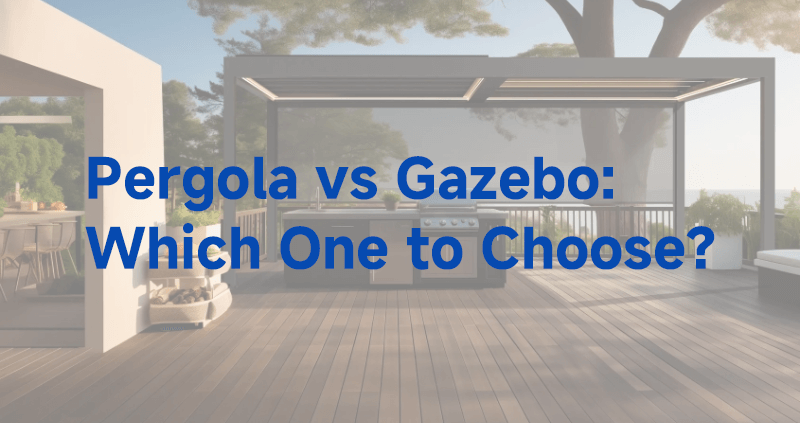
What is pergola?
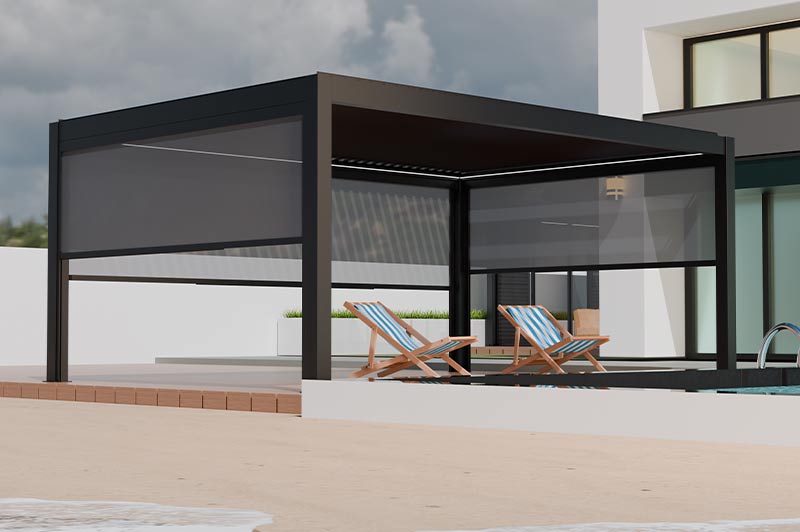
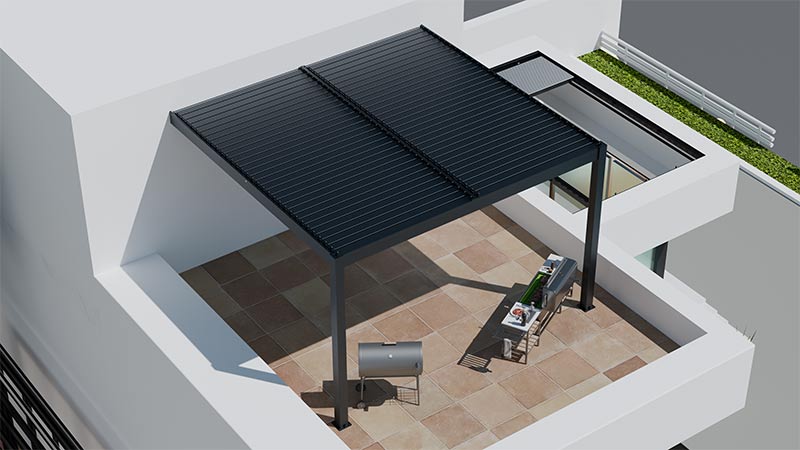
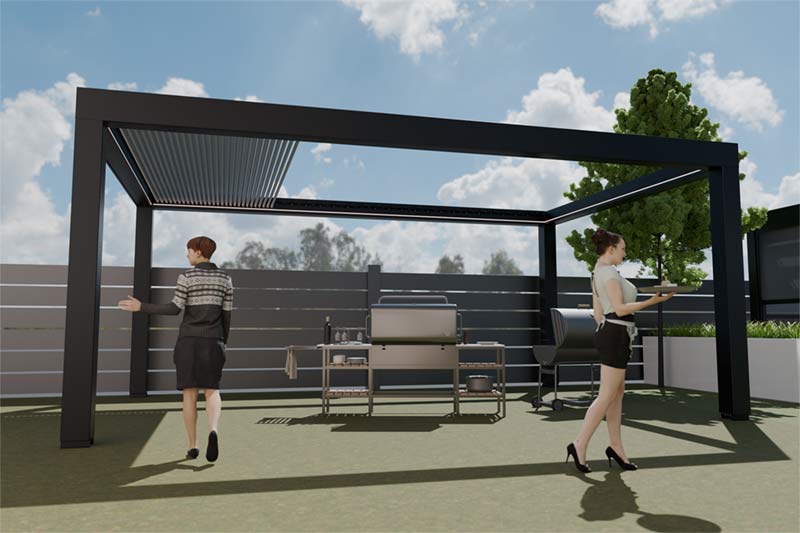
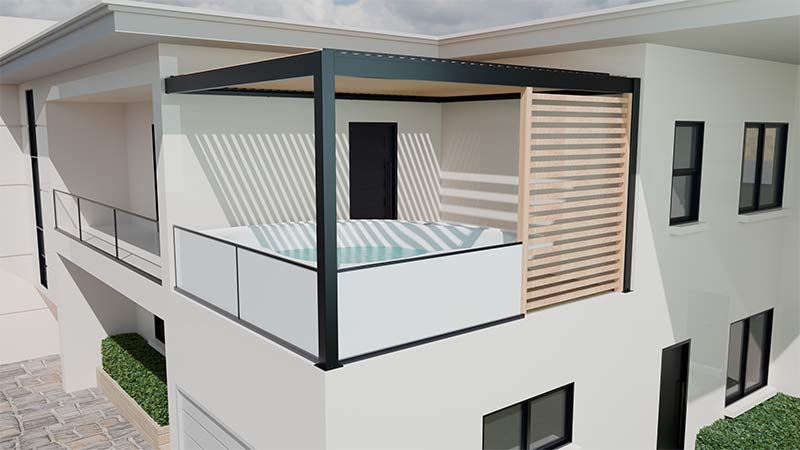
A pergola is a typical shading structure with an open frame, designed to ensure air circulation while providing shade. It typically consists of vertical columns supporting a series of horizontal beams and an open (often lattice-like) roof.
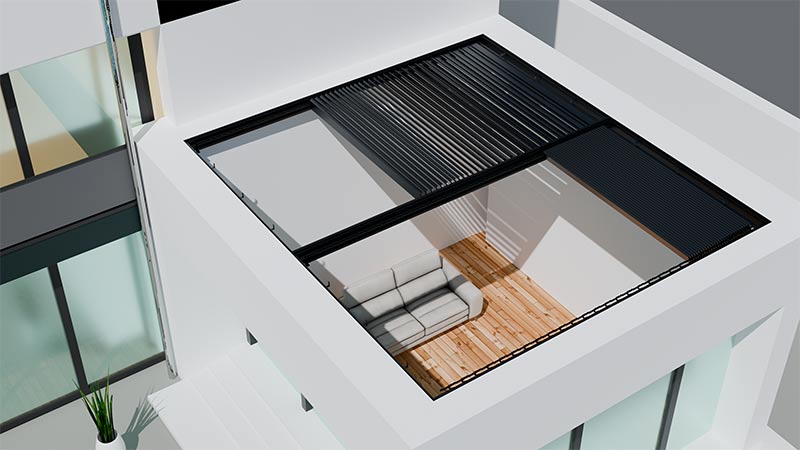
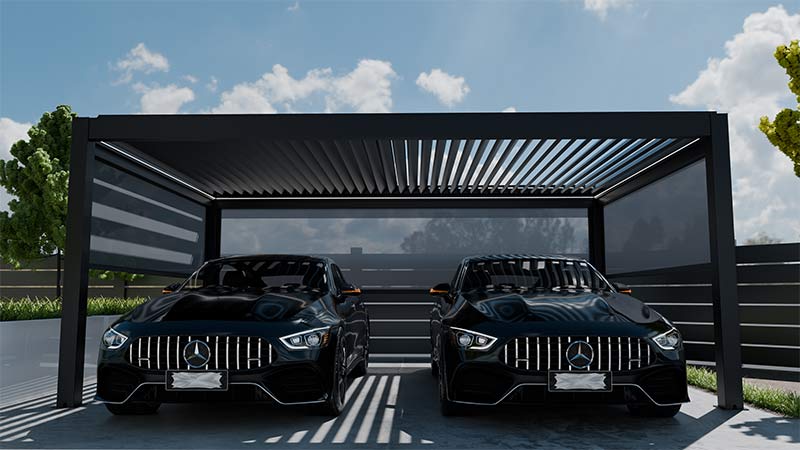
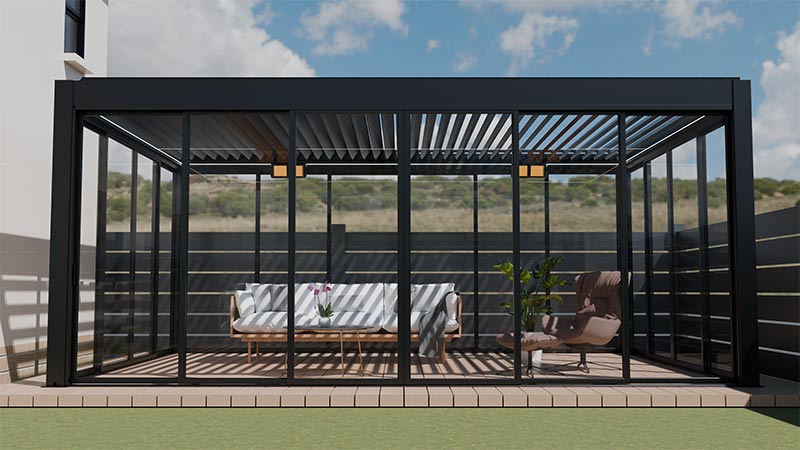
Modern pergolas often feature adjustable systems, such as retractable or louvered designs, allowing the roof to be fully closed for comprehensive shade and rain protection.
In terms of installation, pergolas can be freestanding structures or integrated into a building as a wall-mounted design.
They are known for their simple, modern, and minimalist appearance, making them suitable for various aesthetic styles.
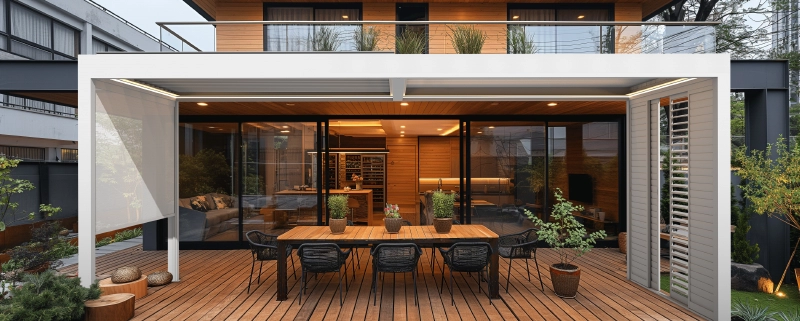
What is gazebo?
Gazebo is a freestanding outdoor structure characterized by its fully enclosed solid roof, providing ample shade and effective protection from the sun and rain. Its design typically employs classic shapes such as circles, hexagons, or octagons and often includes built-in seating, railings, or low, semi-enclosed walls.
Functionally, a gazebo aims to create a private resting space, essentially a small, enclosed room nestled in nature, ideal for outdoor gatherings.
In terms of installation, it is almost always a freestanding structure, requiring a dedicated site and involving a relatively complex construction process.
Furthermore, with its classic, traditional, and decorative appearance, a gazebo adds a striking visual focal point to a garden or courtyard.
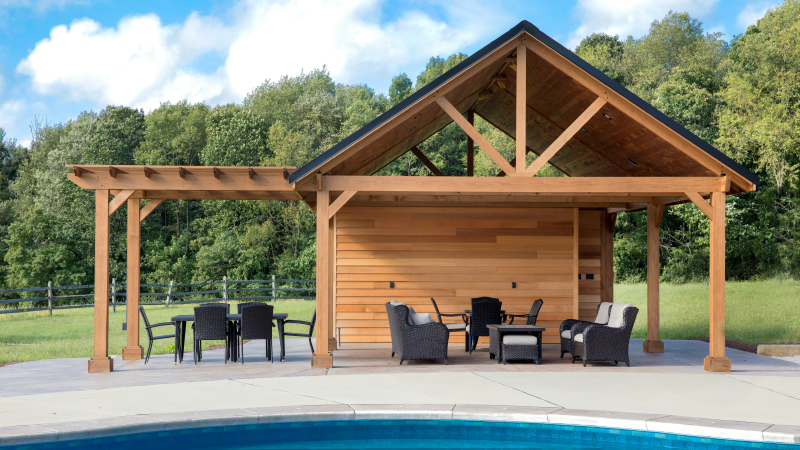
Now that you have a better understanding of pergola and gazebo, it’s also important to understand some of their similarities and differences. Let’s delve deeper.
Similarities between pergola and gazebo
While pergolas and gazebos differ in design and function, they share many similarities, making them popular choices for outdoor spaces. Here are a few key aspects:
1. Functional Value
Both provide shade, sun protection, and a degree of rain protection, making outdoor spaces more comfortable.
2. Aesthetics
Both pergolas and gazebos can become focal points in a courtyard or garden, enhancing the overall beauty and elegance of the landscape.
3. Diverse Applications
Both are widely used in residential, restaurant, and hotel settings, serving both private courtyards and public or commercial spaces.
4. Customizability
Modern pergolas and gazebos can be customized with accessories such as lighting, curtains, and seating, and can even be integrated with motorized systems to suit diverse lifestyles.
Differences between pergola and gazebo
There are significant differences between the pergola and gazebo that can be used to determine whether they are suitable for a particular application. The table below outlines some of these differences.
| Aspect | Pergola | Gazebo |
| Roof Structure | Open-frame, parallel beams, or adjustable louvers | Fully covered, solid roof (shingles, metal, etc.) |
| Shade & Shelter | Partial shade (traditional) to full shelter (louvered) | Full shade and excellent rain protection |
| Aesthetics | Modern, seamless, blends into the landscape | Classic, traditional, acts as a visual focal point |
| Privacy Level | Low to Moderate (depends on curtains/screens) | High (due to solid roof and often railings) |
| Installation | Modular, often easier to build and expand | Heavy, requires more complex construction and a fixed foundation |
| Cost | Generally lower, especially for basic models | Generally higher, due to complex roofing and structure |
As mentioned above, pergolas and gazebos are suitable for different scenarios, depending on the functional and stylistic needs of your outdoor space. Both are reliable outdoor structural options and can significantly enhance the living experience.
Below is a list of common applications and the most common structural types used in each setting:
Application Scenarios: Where They Work Best
Your decision should heavily rely on the intended use of your space:
| Scenario | Recommended Structure | Why? |
| Patio/Deck Cover | Pergola | Its open structure is perfect for extending your indoor living space onto the patio or deck. An adjustable open-close pergola offers the most flexibility. |
| Garden Centerpiece | Gazebo | Its classic, enclosed design creates a strong, decorative focal point within a large garden area. |
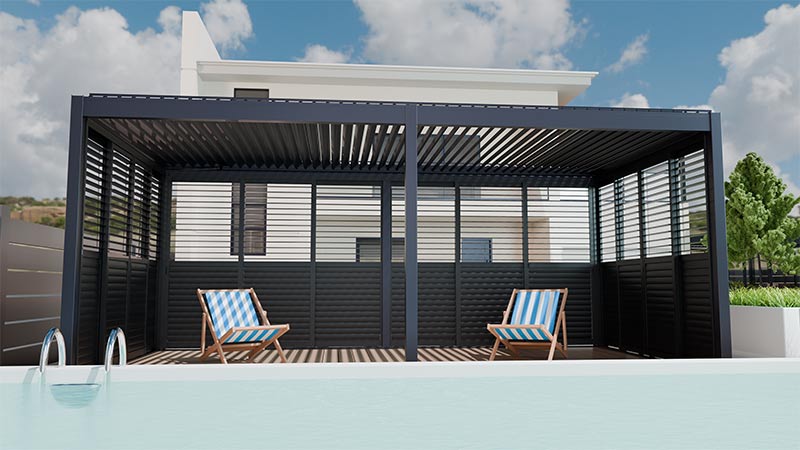
| Poolside Lounging | Pergola | An open pergola allows controlled sunlight for lounging and is ideal for covering a wide poolside area. |
| Private Retreat / Reading Nook | Gazebo | The fully enclosed structure provides the desired privacy and protection from the elements. |
| Commercial Outdoor Dining | Pergola | Modular aluminum pergolas can be easily integrated with lighting and screens to cover large, flexible commercial outdoor spaces. |
Factors to Consider When Choosing between pergola and gazebo
As we’ve seen in this article, both pergola and gazebo are highly practical in a variety of outdoor spaces. Often, you can even combine both in the same outdoor area to meet different functional and aesthetic needs. So, the question is, which is better? Which one should you choose?
There’s no definitive answer, but the following aspects can help you make a decision:
Installation and Space Layout
The installation method of the structure you choose is crucial. Understanding the installation process, time required, and materials is crucial.
Pergola’s modular design makes it relatively easy to install and suitable for spaces that require flexible layouts.
Gazebo’s heavier structure and more complex construction make it suitable for areas with ample space and a desire for stability and privacy.
Functional Requirements
What functions do you want your outdoor space to serve? Is it for shade, relaxation, or gatherings and events?
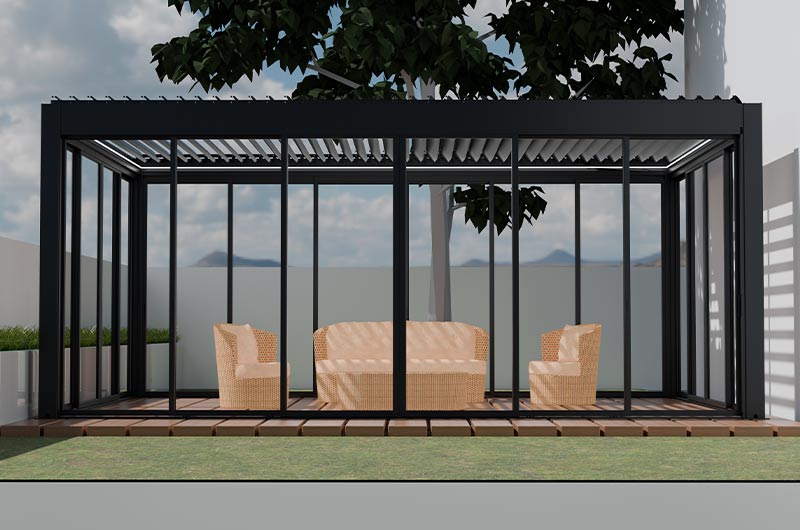
Pergola is more suitable for spaces that require openness and flexibility. It can be integrated with blinds, motorized roofs, LED lighting, and more to meet diverse functional needs.
Gazebo is more suitable for areas that require privacy and decorative elements, such as wedding ceremonies, garden centers, or small gatherings.
Aesthetics and Experience
If you’re looking for a modern, minimalist outdoor design, a pergola is a better choice.
If you’re looking to create a traditional, focal, or ceremonial space, a gazebo is ideal.
A comprehensive consideration of installation ease, functional requirements, and aesthetic style will help you choose the best fit between a pergola and a gazebo.
Conclusion
Both pergolas and gazebos are common and popular choices. Each has its own unique features, suitable for most patios and commercial spaces. Choosing a structure depends on the functional needs of your outdoor space: whether you prioritize openness and flexibility or privacy and decorative features. Installation cost is also a key factor, so it’s recommended to consult a professional installer to find the best solution for your space. It’s also worth noting that combining pergolas and gazebos in the same space can also meet diverse needs and styles.
Among many materials, aluminum pergolas are an ideal choice for modern patios, pool areas, and commercial leisure spaces due to their durability, flexibility, and aesthetics. Aluminum’s lightweight, sturdy structure is corrosion-resistant and adaptable to various climates. Its modular design allows you to choose an open or enclosed pergola to suit different functional requirements. It can also be combined with adjustable blinds, a motorized roof, or lighting systems to create a comfortable and functional outdoor space. Its modern, minimalist design blends seamlessly with the patio or pool setting, and its environmentally friendly material ensures easy long-term maintenance.
In short, choosing an aluminum pergola can not only provide shade, rain protection and privacy but also turn your outdoor area into a multi-functional leisure, gathering or event venue, maximizing the value of the space.
Create Your Perfect Outdoor Space with Greenawn
If you’re looking to translate these benefits into practical experiences, Greenawn offers a variety of high-performance aluminum pergola solutions to suit your patio, pool, or commercial space. Through expert design, durable materials, and flexible installation, Greenawn makes it easy to create your ideal outdoor space, creating a comfortable, safe, and contemporary retreat. For more product information and customization options, visit the Greenawn official website to begin your aluminum pergola journey.


How Tall Should a Patio Pergola Be? Typical and Special Considerations
blogGarden Pergola: The Ultimate Guide to Application and Understanding
blogWhere Should a Backyard Pergola Be Placed? 3 Things You Should Know
blog